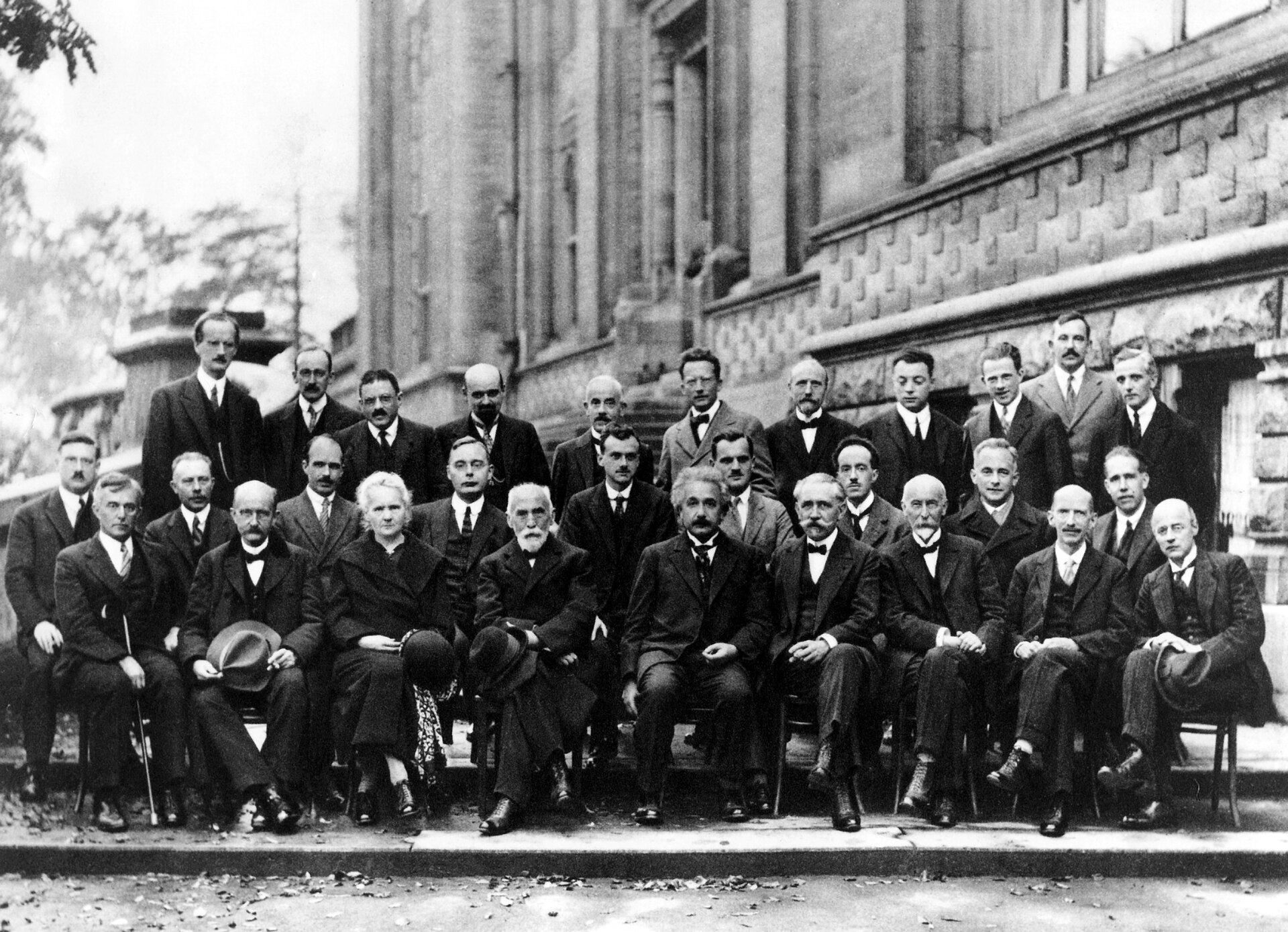
Having a chemical element named after you is one of science's rarest honors. Sixteen element names trace to people. Thirteen directly honor individuals; gadolinium and samarium inherit personal names through minerals, and flerovium honors the Flerov Laboratory of Nuclear Reactions, named for Georgy Flyorov.
Most of those people were scientists, but the complete answer also includes mining official Vasili Samarsky-Bykhovets and indirect naming routes. This consolidated guide keeps those distinctions visible.
The Complete List
The entries below distinguish direct honors from names inherited through a mineral or institution.
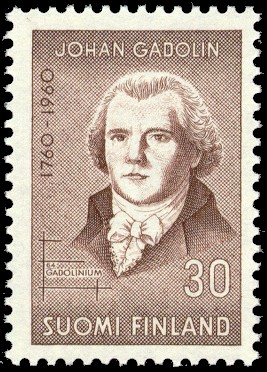
Gadolinium takes its name from the mineral gadolinite, which honors Finnish chemist Johan Gadolin. He isolated an oxide from the mineral later called yttria and helped open the study of rare earth chemistry.
Wikimedia Commons · Public domain
Samarium was named from the mineral samarskite, which honors Russian mining official Vasili Samarsky-Bykhovets. He was not a scientist, making this an important exception to the guide's scientist-heavy list.
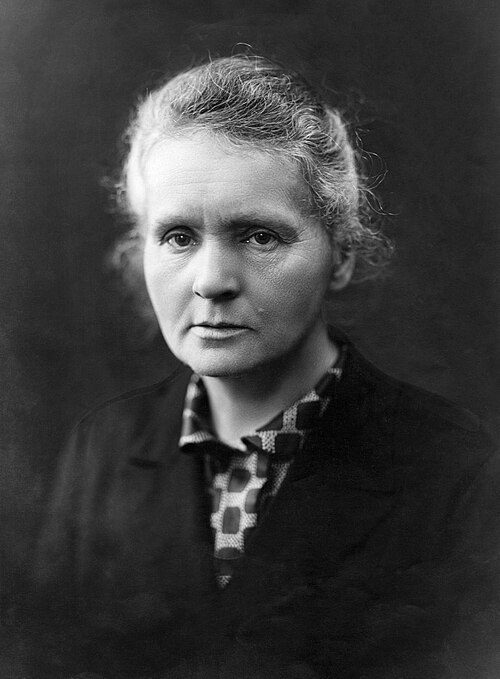
Pioneered radioactivity research. Marie Curie won Nobel Prizes in both Physics (1903) and Chemistry (1911).
Wikimedia Commons · Public domain
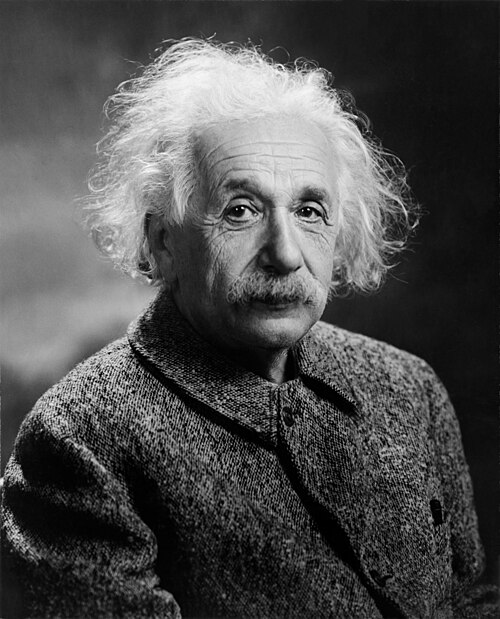
Developed the theory of relativity and the photoelectric effect explanation. Won the 1921 Nobel Prize in Physics.
Wikimedia Commons · Public domain
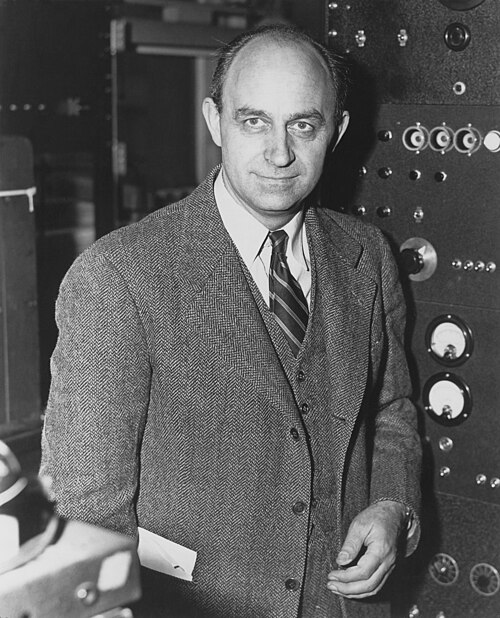
Created the first controlled nuclear chain reaction. Won the 1938 Nobel Prize in Physics.
Wikimedia Commons · Public domain
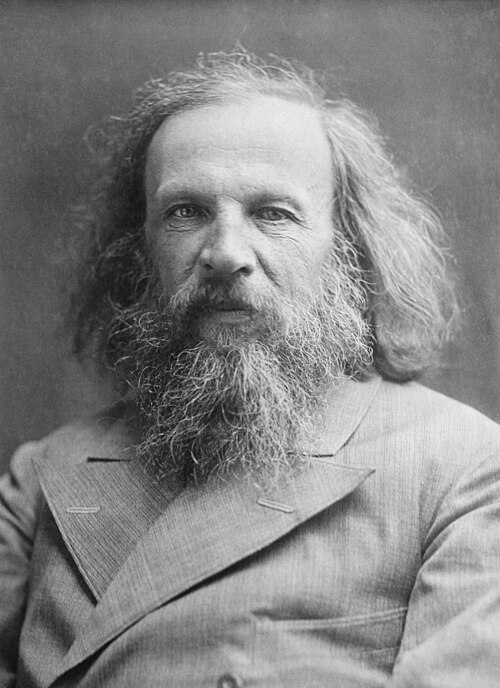
Created the periodic table of elements (1869) and accurately predicted properties of undiscovered elements.
Wikimedia Commons · Public domain
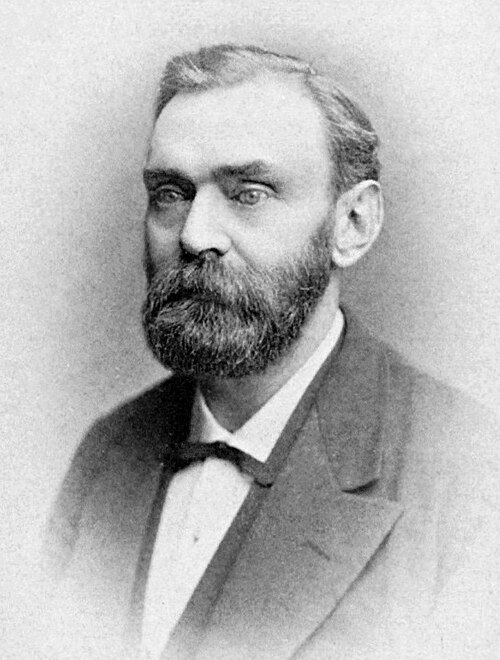
Swedish chemist who invented dynamite and established the Nobel Prizes through his will.
Wikimedia Commons · Public domain
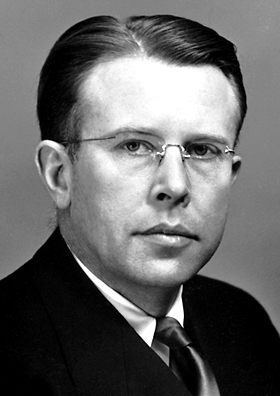
Invented the cyclotron particle accelerator. Won the 1939 Nobel Prize in Physics.
Wikimedia Commons · Public domain
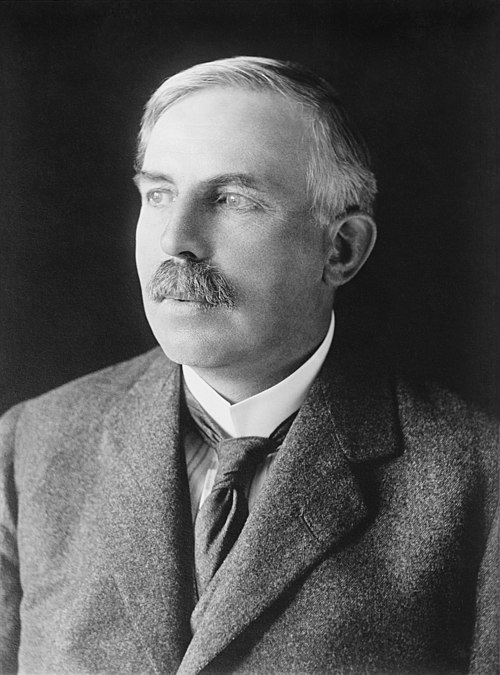
Discovered the atomic nucleus and proton. Won the 1908 Nobel Prize in Chemistry. Known as the father of nuclear physics.
Wikimedia Commons · Public domain
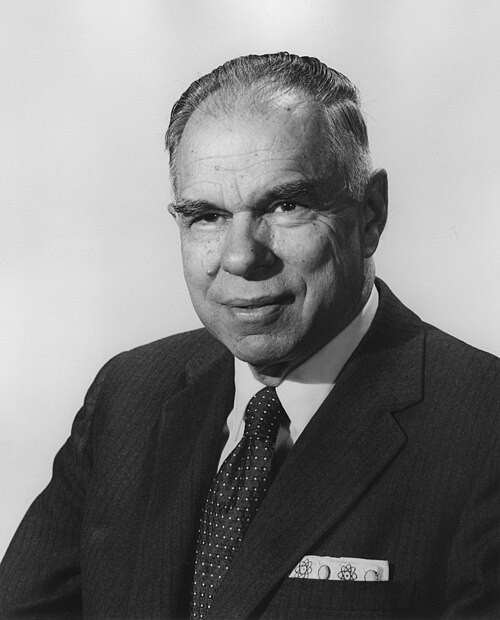
Co-discovered 10 transuranium elements and reconfigured the periodic table. Won the 1951 Nobel Prize in Chemistry. The first person to have an element named after them while alive at the time of naming (1997).
Wikimedia Commons · Public domain
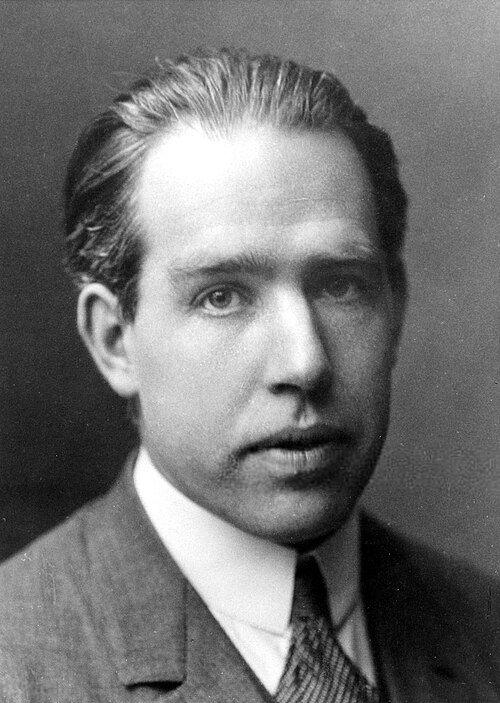
Developed the Bohr model of the atom. Won the 1922 Nobel Prize in Physics. His son Aage Bohr also won a Nobel Prize.
Wikimedia Commons · Public domain
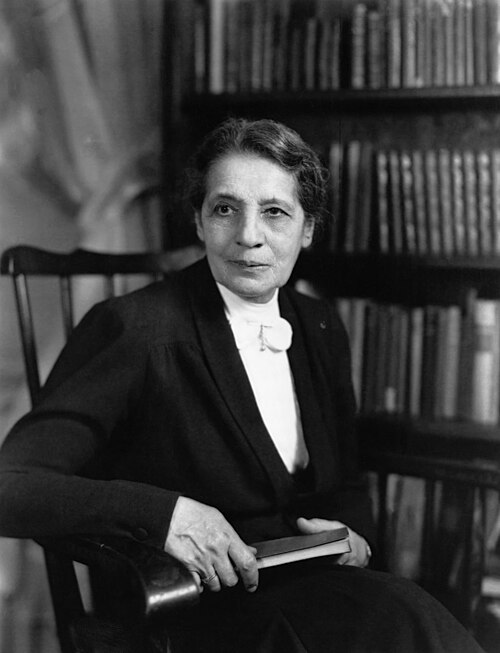
Co-discovered nuclear fission with Otto Hahn. Despite being nominated 48 times, she never won the Nobel Prize, one of the most notable omissions in Nobel history.
Wikimedia Commons · Public domain
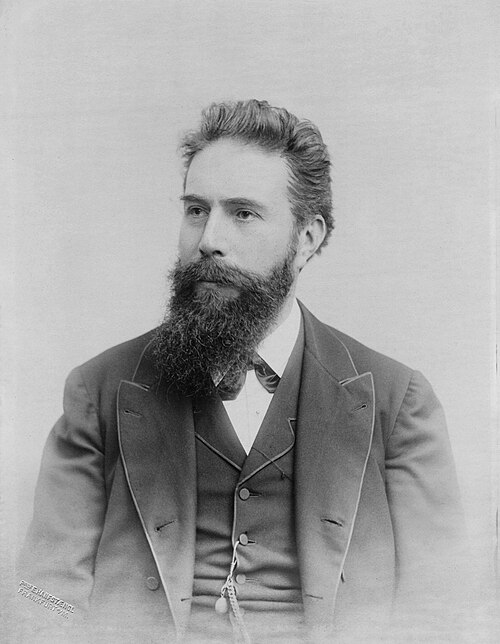
Discovered X-rays in 1895. Won the very first Nobel Prize in Physics (1901).
Wikimedia Commons · Public domain
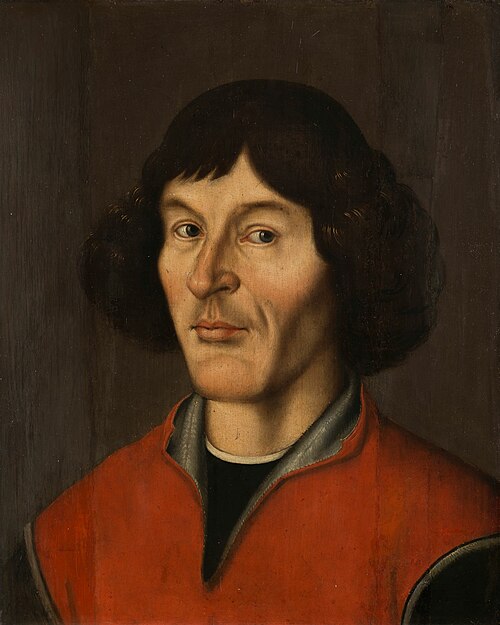
Renaissance astronomer who formulated the heliocentric model, placing the Sun at the center of the solar system.
Wikimedia Commons · Public domain
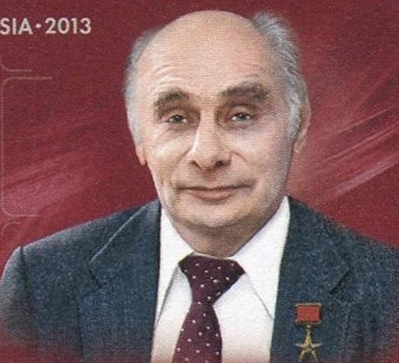
Flerovium directly honors the Flerov Laboratory of Nuclear Reactions, which is named for Soviet nuclear physicist Georgy Flyorov. He founded the laboratory where many superheavy elements were synthesized.
Wikimedia Commons · Public domain
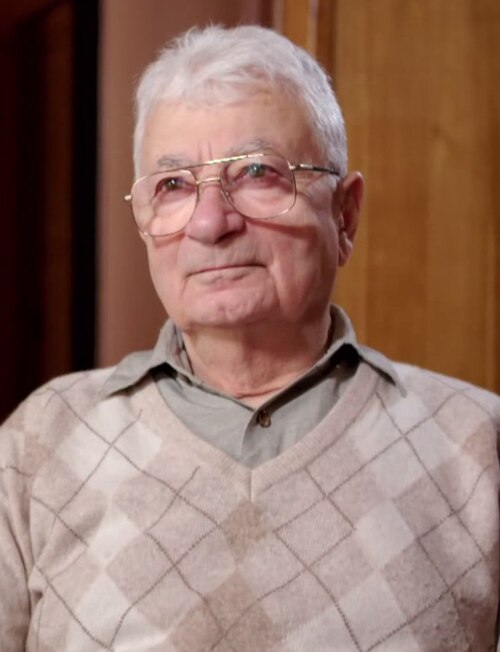
Nobel Prize Winners Among Them
Nine people honored by element names were Nobel Prize laureates: Marie Curie, Pierre Curie, Albert Einstein, Enrico Fermi, Ernest Lawrence, Ernest Rutherford, Glenn Seaborg, Niels Bohr, and Wilhelm Röntgen. Alfred Nobel established the prizes but was not a laureate. Lise Meitner never received a Nobel Prize despite her central role in explaining nuclear fission.