
All elements with atomic number 84 (polonium) and above have no stable isotopes. Radioactivity varies enormously among isotopes: some have half-lives of billions of years, while others decay in milliseconds.
There is no single scientifically useful ranking of the “most radioactive element.” Specific activity is an isotope-specific quantity measured as decays per second per unit mass. A shorter half-life usually means greater activity for the same number of atoms, but isotope mass and sample composition also matter.
Naturally Occurring Radioactive Elements
These radioactive elements occur in nature and have had the most historical significance:
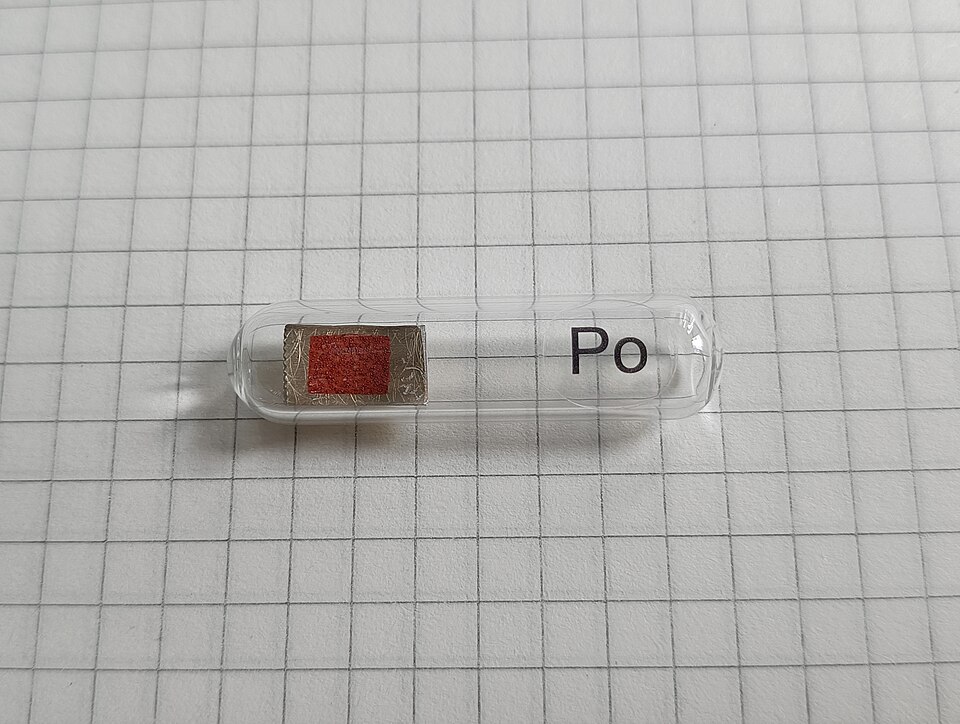
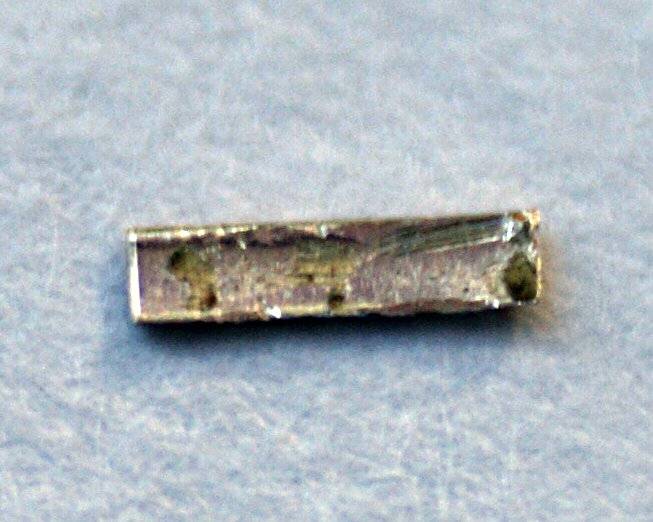
Radon-222 is a colorless, odorless radioactive gas with a 3.8-day half-life. It seeps from soil and rock into buildings, and is the second leading cause of lung cancer after smoking.
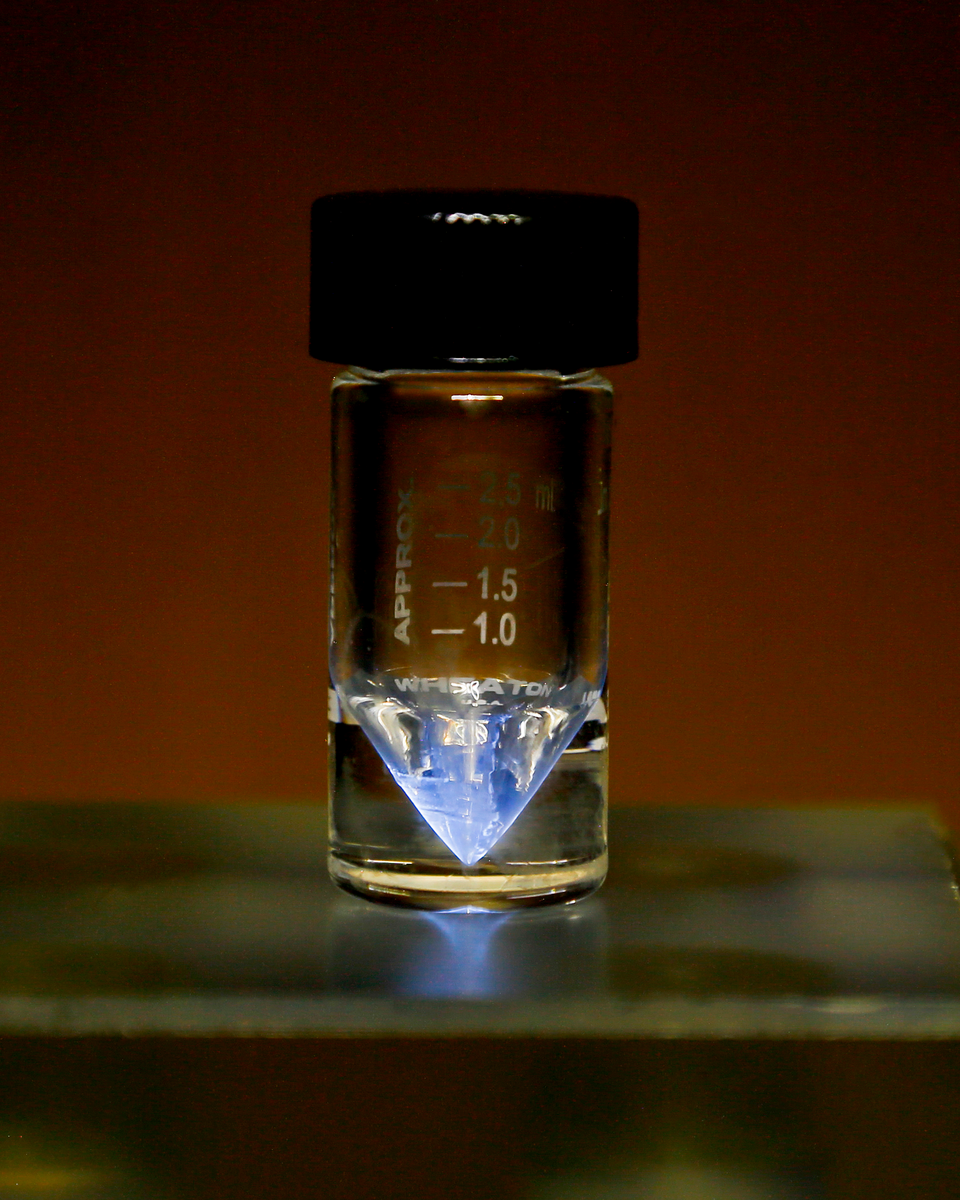
Actinium-227 has a half-life of about 21.8 years. A sufficiently large sample can appear to glow pale blue because its radiation excites the surrounding air.
Oak Ridge National Laboratory · CC BY 2.0
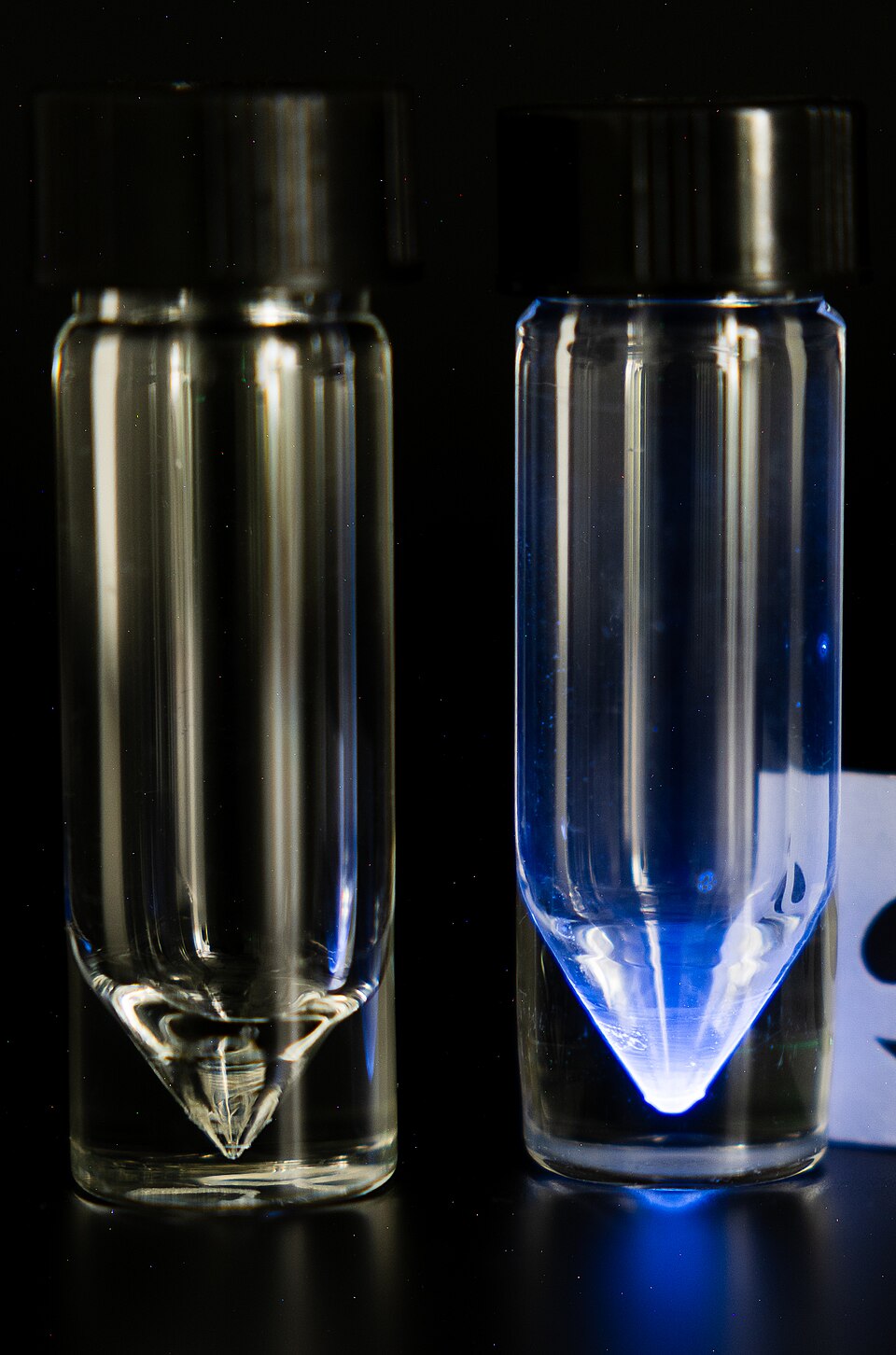
Astatine is the rarest naturally occurring element. At any given moment, less than 30 grams exist in the entire Earth's crust.
NuclearAlex · CC BY 4.0
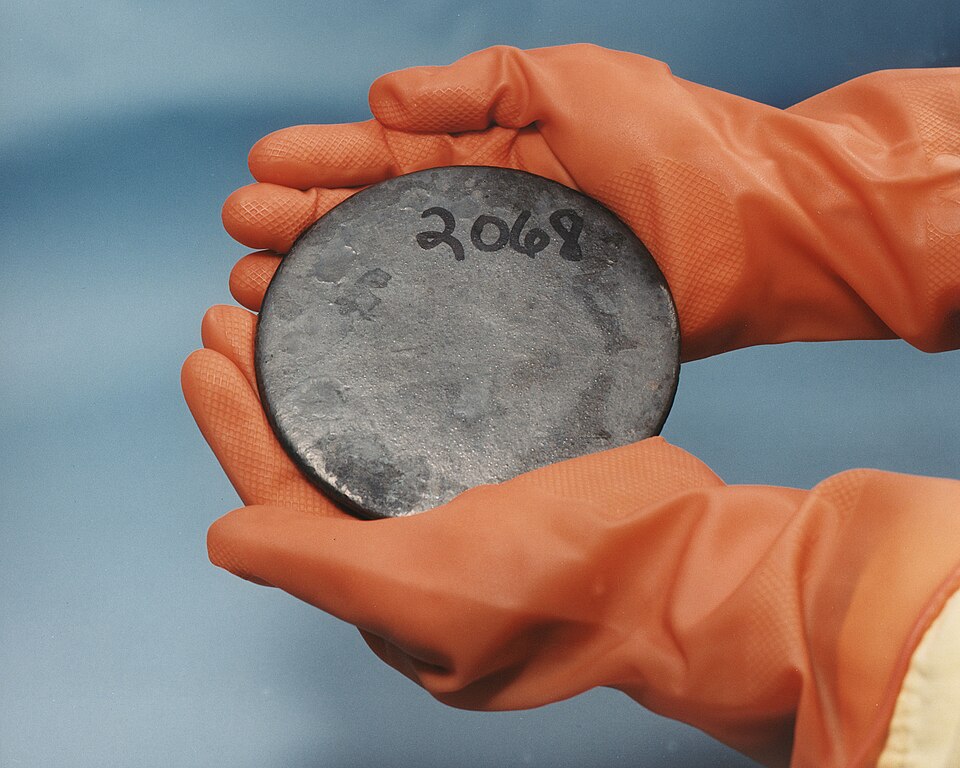
Uranium-238 has a half-life of 4.47 billion years, about the age of Earth. Its slow decay means it's only mildly radioactive, but it's the starting material for nuclear reactors.
Wikimedia Commons · Public domain
Synthetic Superheavy Elements
The most unstable elements are all synthetic, created in particle accelerators and existing for fractions of a second:
Known oganesson isotopes are extremely short-lived; oganesson-294 has a reported half-life under a millisecond.
Tennessine has a half-life of about 51 milliseconds for its longest-lived isotope.
Moscovium's most stable isotope has a half-life of about 220 milliseconds.
Nihonium has a half-life of about 10 seconds, practically eternal by superheavy element standards.
Useful Radioactive Elements
Despite the dangers, several radioactive elements serve critical roles in medicine, energy, and everyday life:
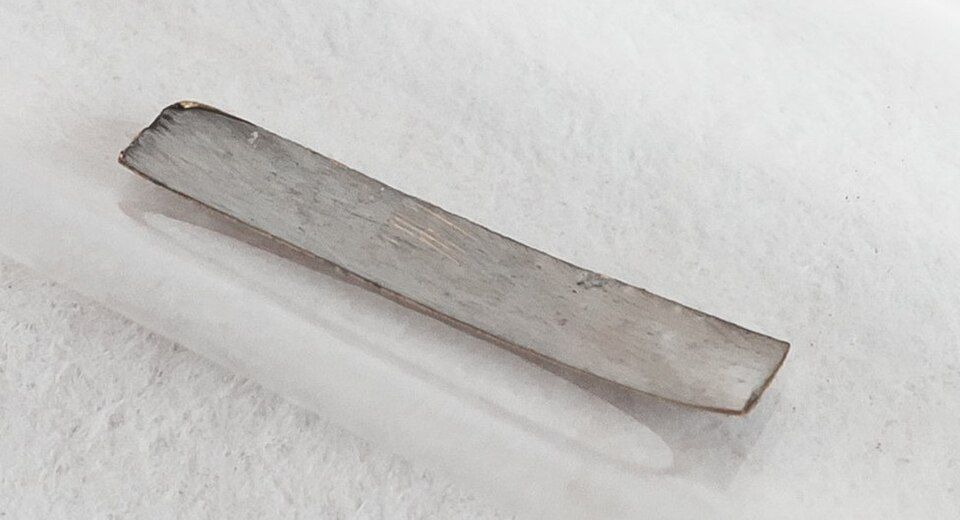
Technetium-99m is the most widely used medical radioisotope, employed in over 40 million diagnostic procedures worldwide each year.
Marco Cardin · CC BY-SA 4.0
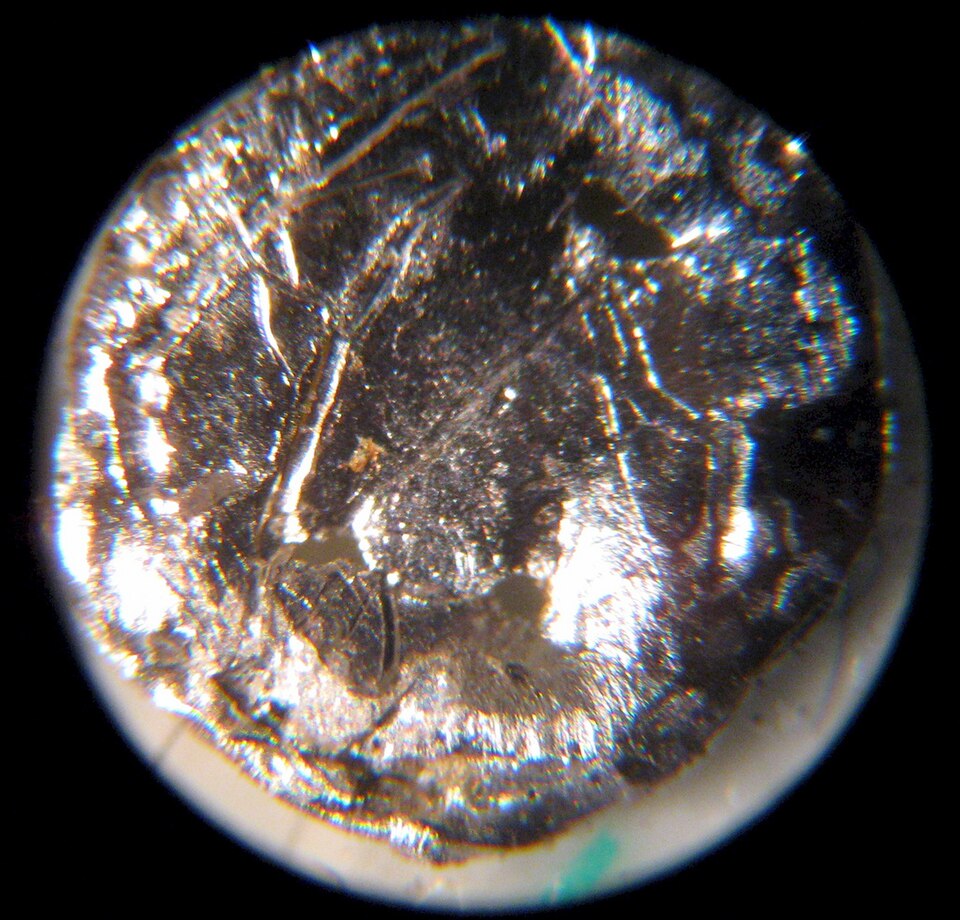
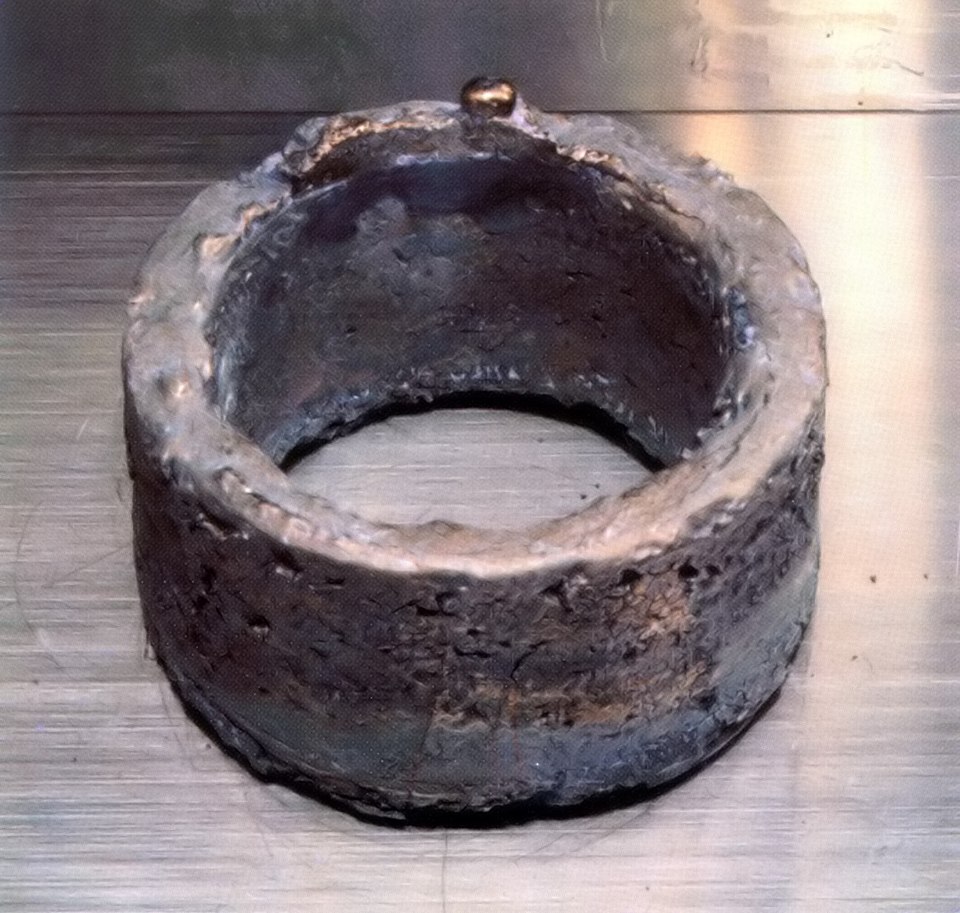
Plutonium-238 powers deep-space missions including the Voyager probes, Curiosity rover, and New Horizons spacecraft.
Los Alamos National Laboratory · Attribution