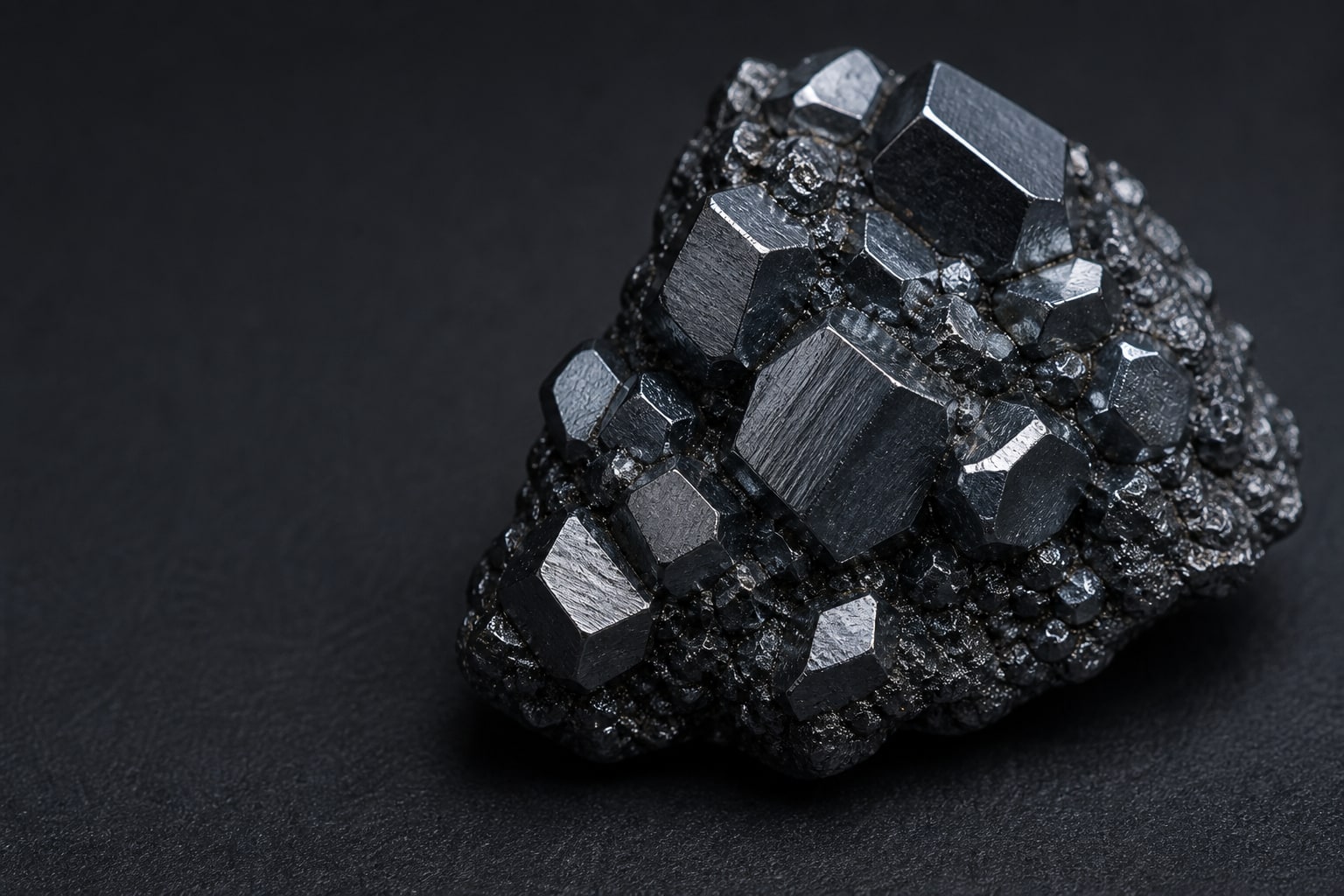
The periodic table spans an enormous range of properties. Hydrogen, the lightest element, accounts for about 75% of the universe's ordinary matter by mass. Oganesson sits at the high-mass end of the known periodic table and has been produced only atom by atom.
"Heaviest" can mean two different things in chemistry: highest atomic mass (the mass of atoms) or highest density (mass per unit volume). These comparisons require different measurements.
Heaviest by Atomic Mass
Atomic mass generally increases with atomic number because heavier nuclei contain more protons and neutrons, though isotope composition means the trend is not perfectly monotonic:
Mass number: [294], shown in brackets because oganesson has no standard atomic weight. It is the highest-atomic-number confirmed element.
Atomic mass: [294]. Exists for only milliseconds.
Atomic mass: [293]. Superheavy and extremely unstable.
Atomic mass: [289]. Synthesized first in 2003.
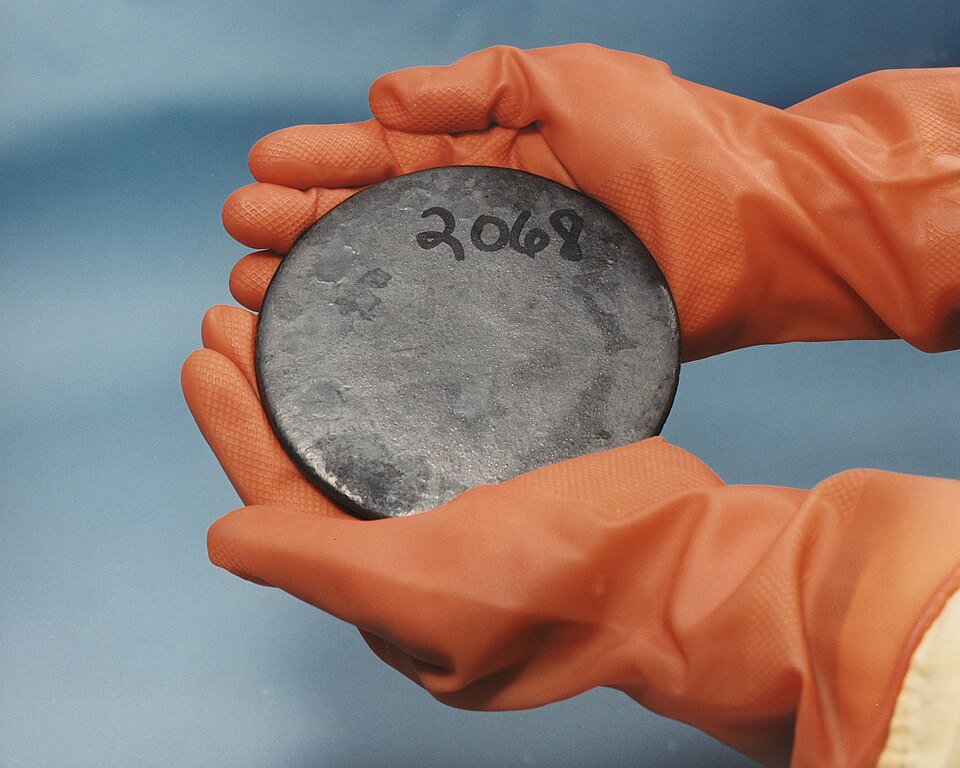
Standard atomic weight: 238.03. Uranium is the highest-atomic-number element with substantial primordial abundance on Earth.
Wikimedia Commons · Public domain
Lightest by Atomic Mass
The lightest elements were the first to form after the Big Bang:
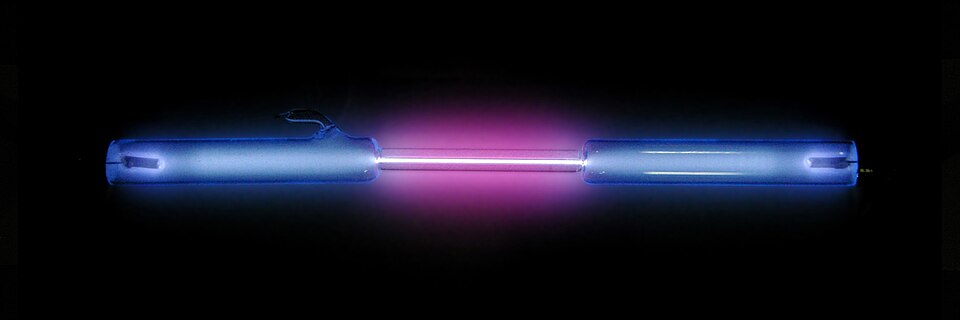
Atomic mass: 1.008 u. The lightest and most abundant element in the universe (75% of all baryonic matter).
Alchemist-hp · Free Art License
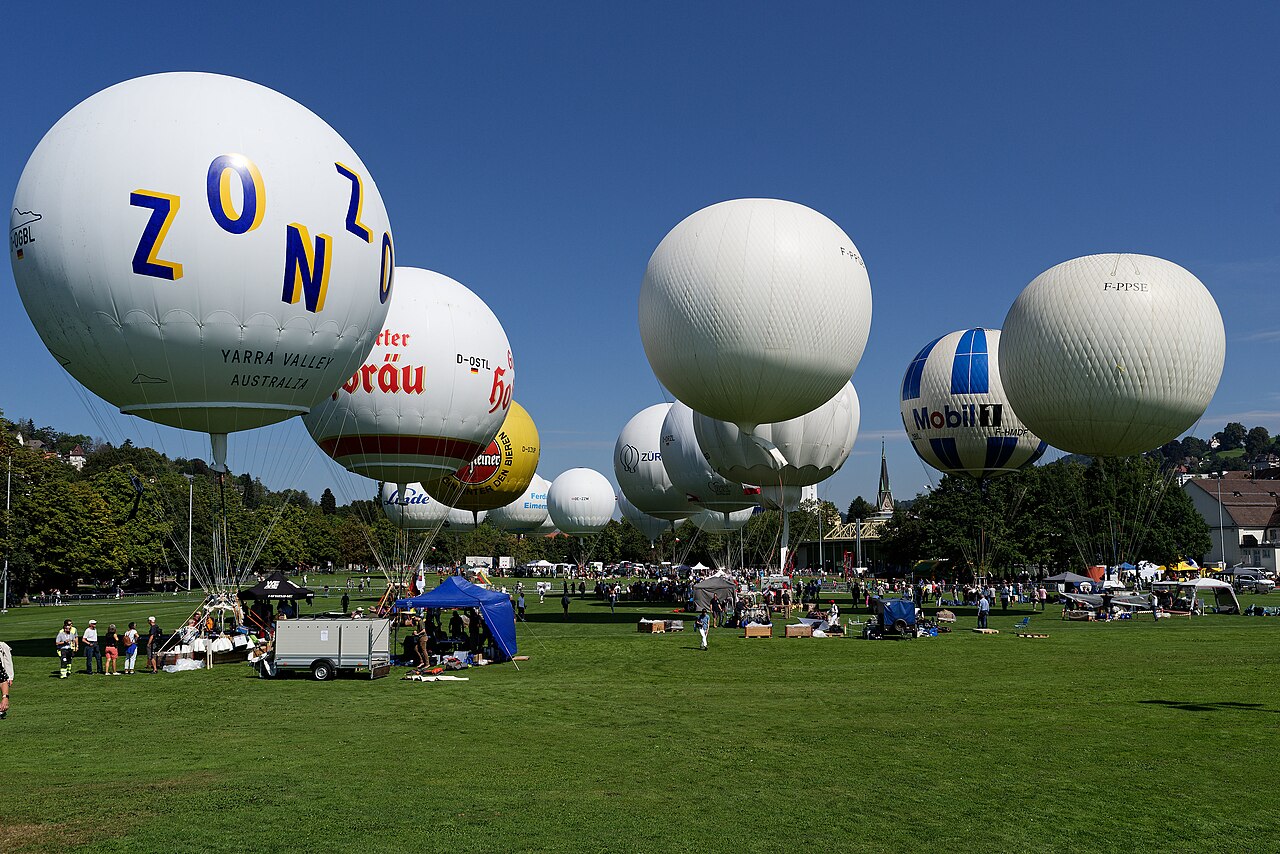
Atomic mass: 4.003 u. The second lightest element. Helium reaching the upper atmosphere can be lost to space over geological time; much of Earth's accessible helium forms through radioactive decay underground.
René Anderes · CC BY-SA 4.0
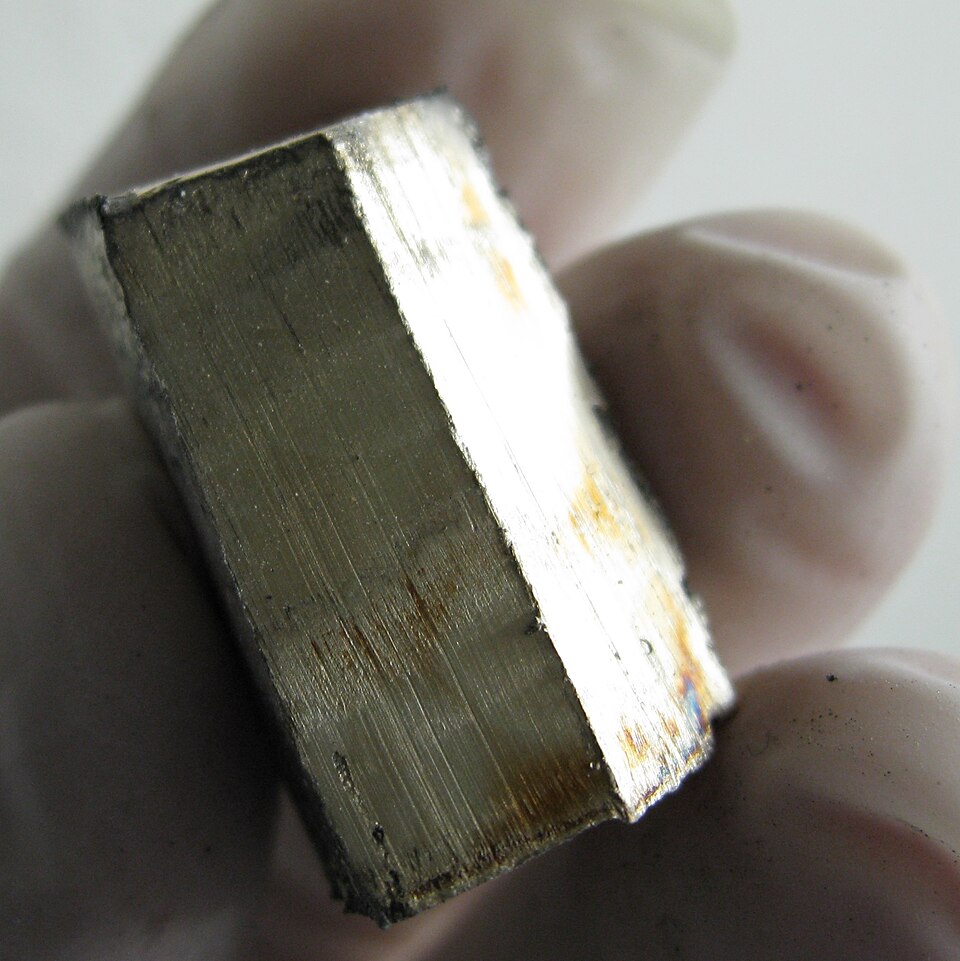
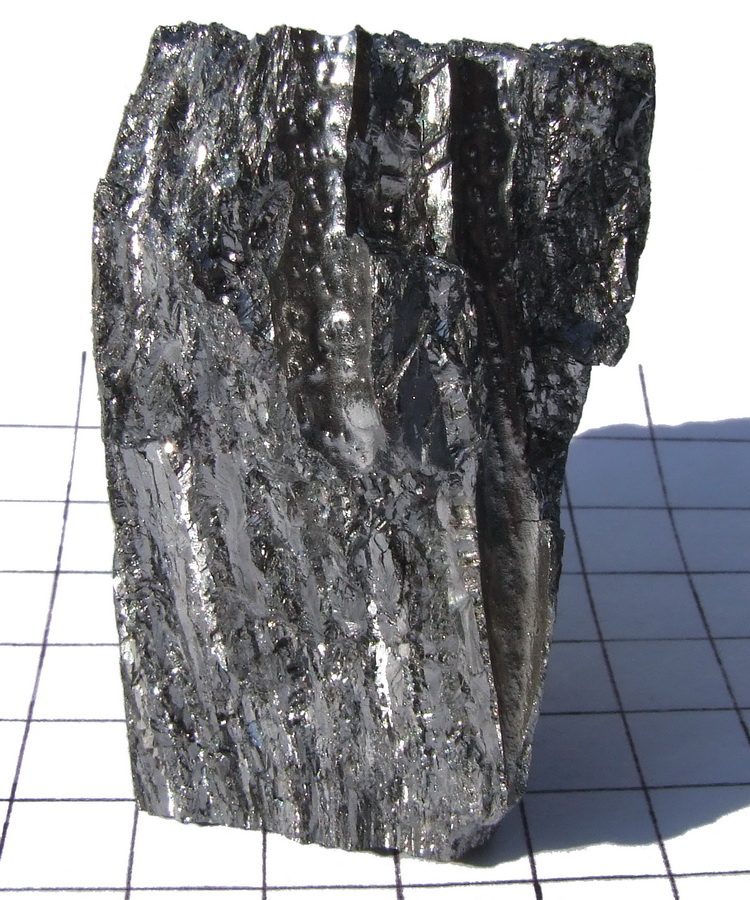
Atomic mass: 9.012 u. A lightweight metal used in aerospace applications.
Alchemist-hp · CC BY-SA 3.0
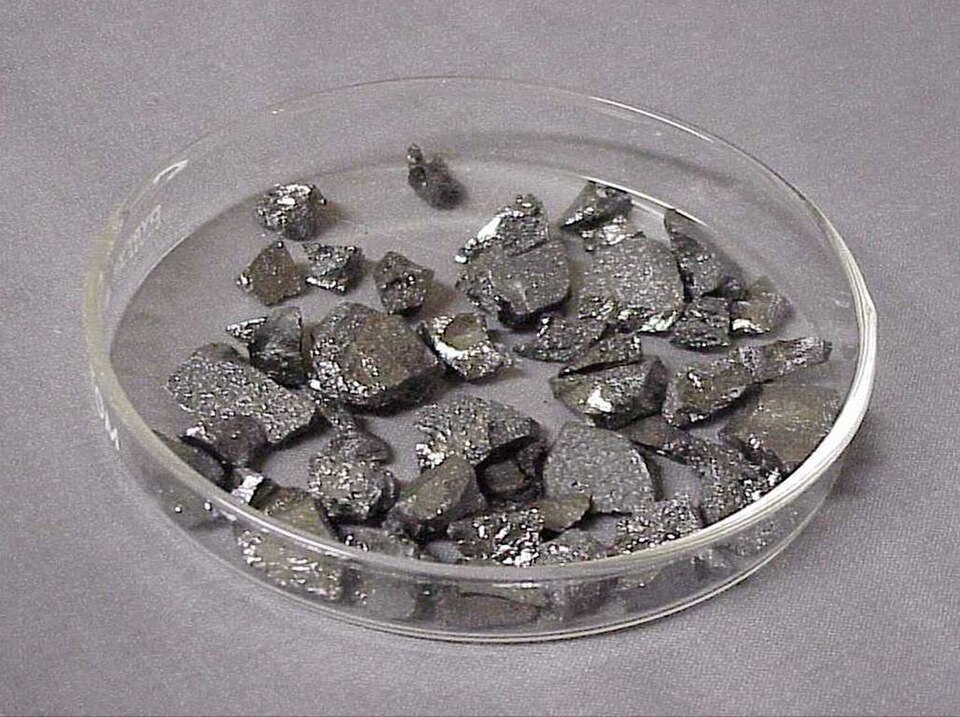
Atomic mass: 10.81 u. A metalloid used in fiberglass and detergents.
James L Marshall · CC BY-SA 3.0
Densest Elements (by Volume)
Density depends on both atomic mass and how tightly atoms pack together:
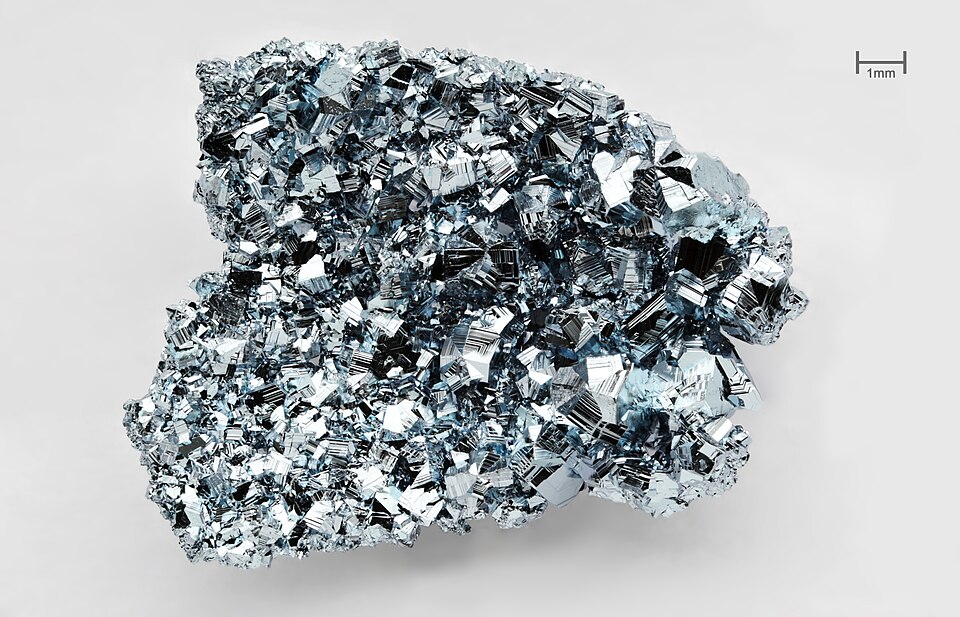
Density: about 22.59 g/cm³ near room conditions. Osmium is commonly listed as the densest element, narrowly ahead of iridium.
Alchemist-hp · Free Art License
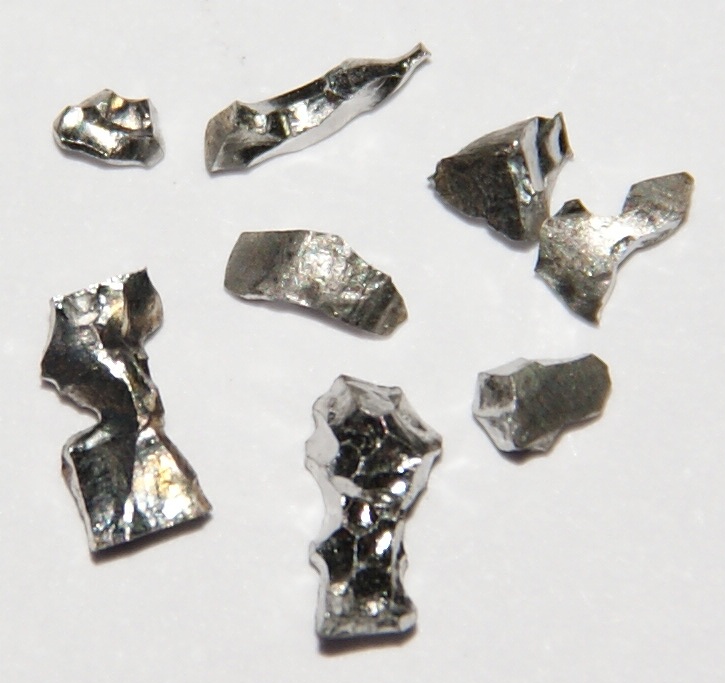
Density: about 22.56 g/cm³ near room conditions. The osmium-iridium ordering is extremely close and depends on the values and conditions used.
Hi-Res Images of Chemical Elements · CC BY 3.0
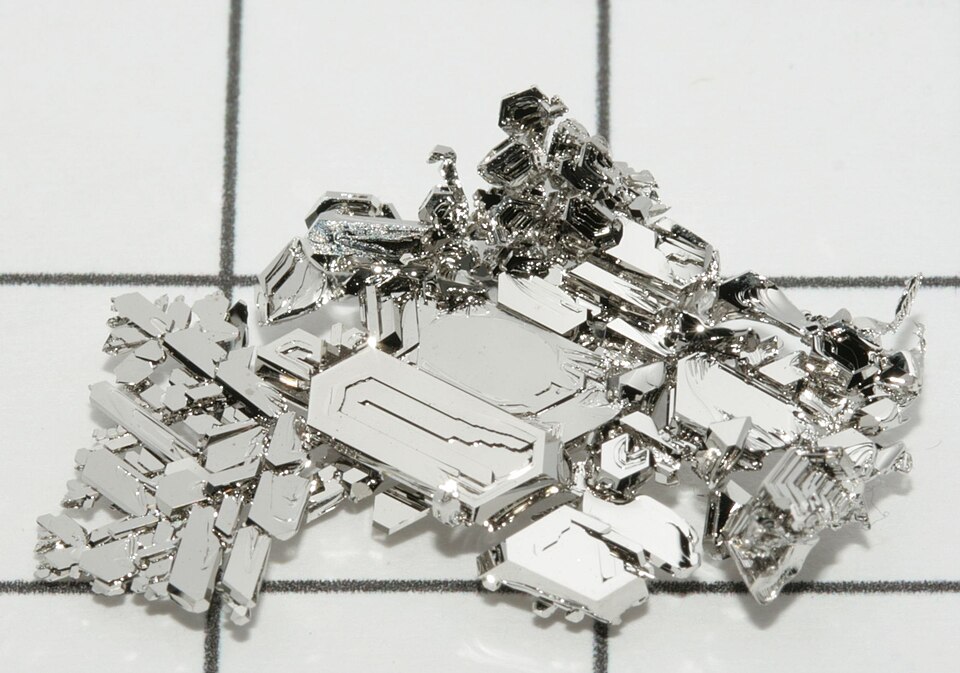
Density: 21.45 g/cm³. A dense precious metal widely used in catalytic converters.
Periodictableru · CC BY 3.0
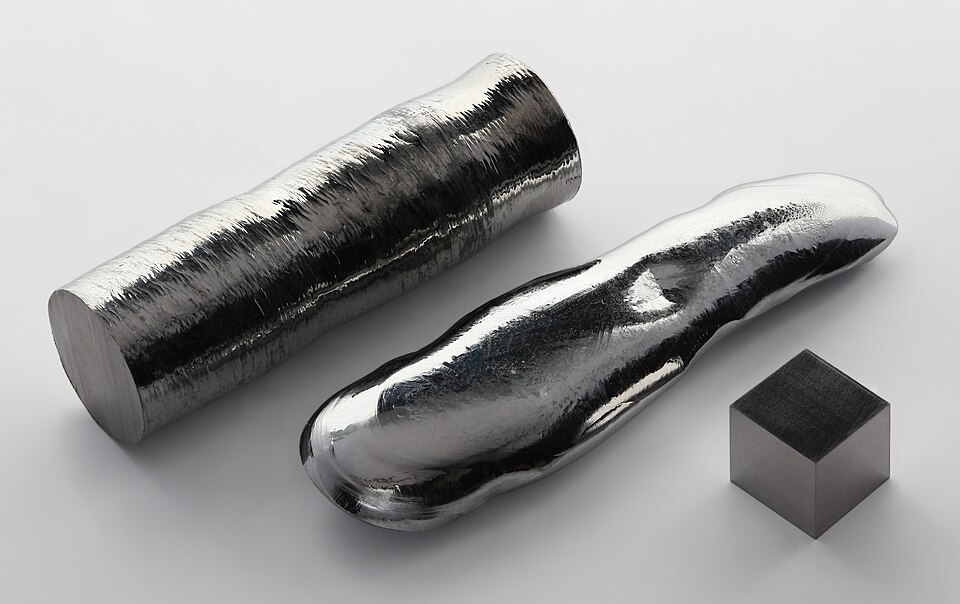
Density: 21.02 g/cm³. Has the third-highest melting point of all elements.
Alchemist-hp · Free Art License
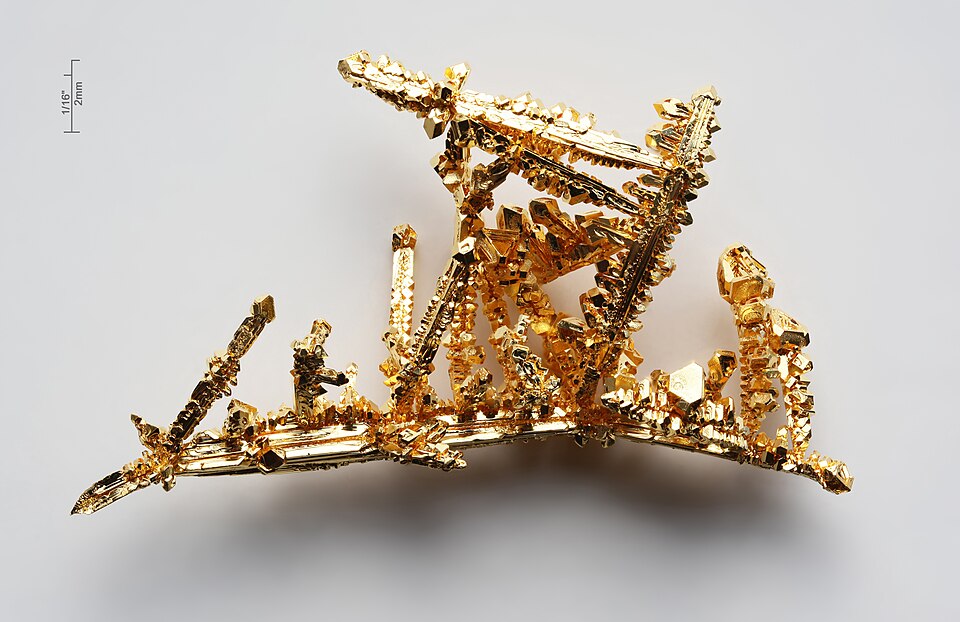
Density: 19.30 g/cm³. About twice as dense as lead. A gold bar (400 troy oz) weighs 12.4 kg.
Alchemist-hp · CC BY-SA 3.0
Least Dense Elements
The least dense elements are all gases under standard conditions, except lithium:
Density: 0.00008988 g/cm³ (gas). By far the least dense element.
Alchemist-hp · Free Art License
Density: 0.0001786 g/cm³ (gas). Used in balloons and airships because of its low density and non-flammability.
René Anderes · CC BY-SA 4.0