
Chemistry is not just a laboratory subject: chemical reactions happen all around us every day, from the moment you strike a match to the metabolic processes keeping you alive. Understanding these reactions reveals the molecular machinery behind cooking, driving, breathing, and even cleaning.
Combustion
Combustion reactions release energy by combining a fuel with oxygen. They power our vehicles, heat our homes, and generate much of the world's electricity:

Methane (natural gas) combustion: CH₄ + 2O₂ → CO₂ + 2H₂O, heats homes and generates electricity
Oxygen is the oxidizer in nearly all everyday combustion. Pure oxygen does not burn, yet it makes other things burn far hotter and faster, which is why oxygen tanks carry strict fire warnings.
Oxidation, Corrosion, and Bleaching
Oxidation changes materials in very different ways. It can slowly corrode a metal or rapidly break apart the colored molecular groups in a stain:
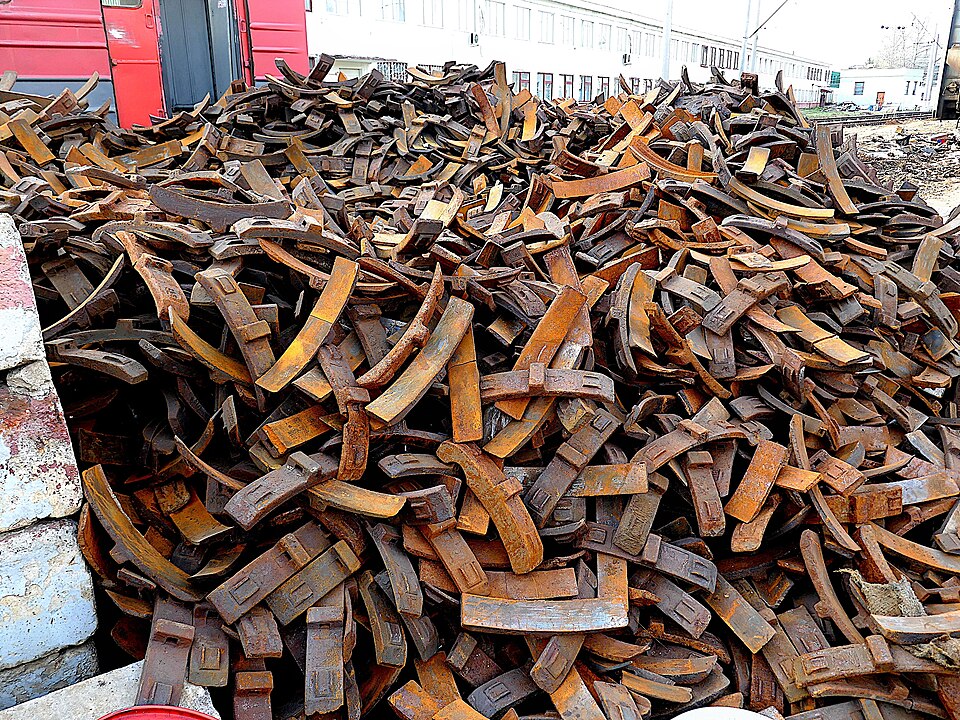
Rust is a mixture of hydrated iron oxides and oxyhydroxides formed through electrochemical corrosion in the presence of oxygen and water. 4Fe + 3O₂ → 2Fe₂O₃ is a simplified net representation, not the full rust mechanism.
Copper develops a protective patina containing several compounds. Basic copper carbonate, Cu₂(OH)₂CO₃, is one important component in many environments.
Hypochlorite bleach oxidizes chromophores, disrupting the molecular structures that absorb visible light.
Cooking and Baking
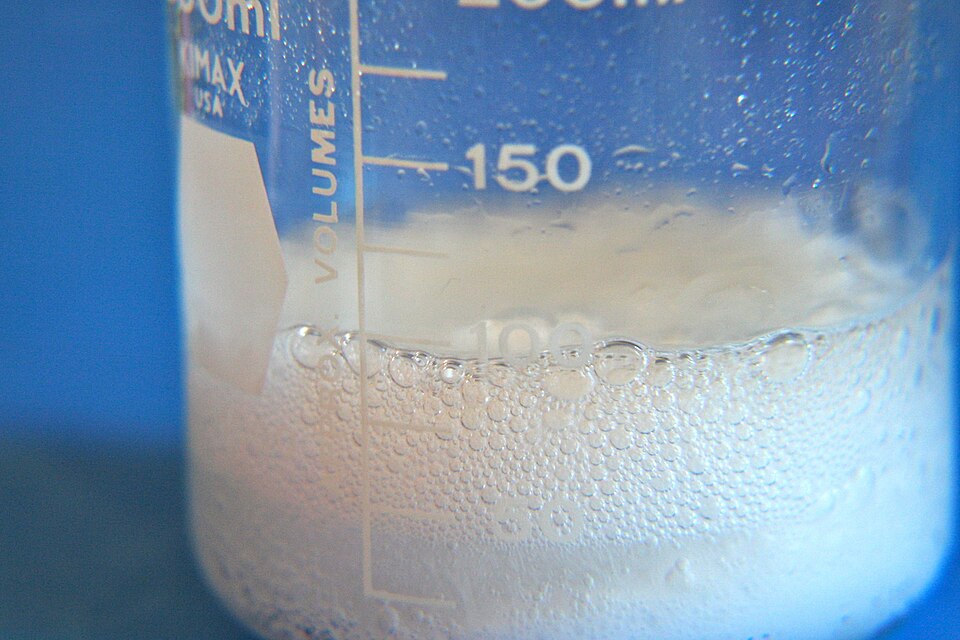
The kitchen is a chemistry lab in disguise. Heat, acid, and mixing drive countless reactions that transform raw ingredients:
Biological Reactions
Life itself runs on chemical reactions, from breathing to converting sunlight into food:
Hemoglobin binds O₂ in the lungs and releases it in tissues. Its iron stays in the Fe²⁺ (ferrous) state to do this; oxidation to Fe³⁺ gives methemoglobin, which cannot carry oxygen.
Photosynthesis: 6CO₂ + 6H₂O → C₆H₁₂O₆ + 6O₂, converts sunlight into chemical energy
Cellular respiration has the complementary net equation C₆H₁₂O₆ + 6O₂ → 6CO₂ + 6H₂O and captures usable energy in ATP. It is not simply photosynthesis run backward; the mechanisms and energy pathways differ.
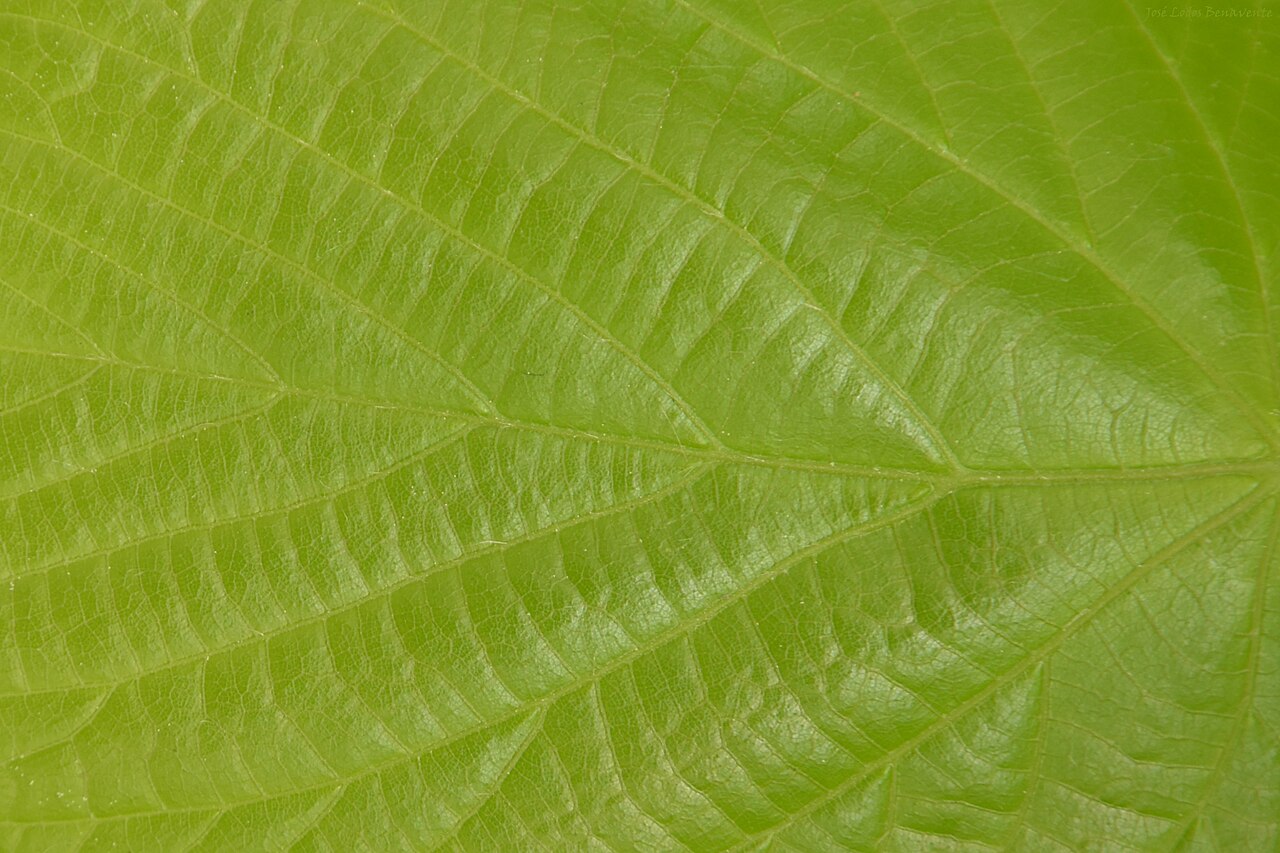
Chlorophyll, the green pigment that captures sunlight, is built around a single magnesium ion (Mg²⁺) held at the center of a porphyrin ring by four nitrogen atoms. No magnesium, no photosynthesis.
Acid-Base Reactions
Acid-base (neutralization) reactions are among the most common in everyday life, from digestion to cleaning:
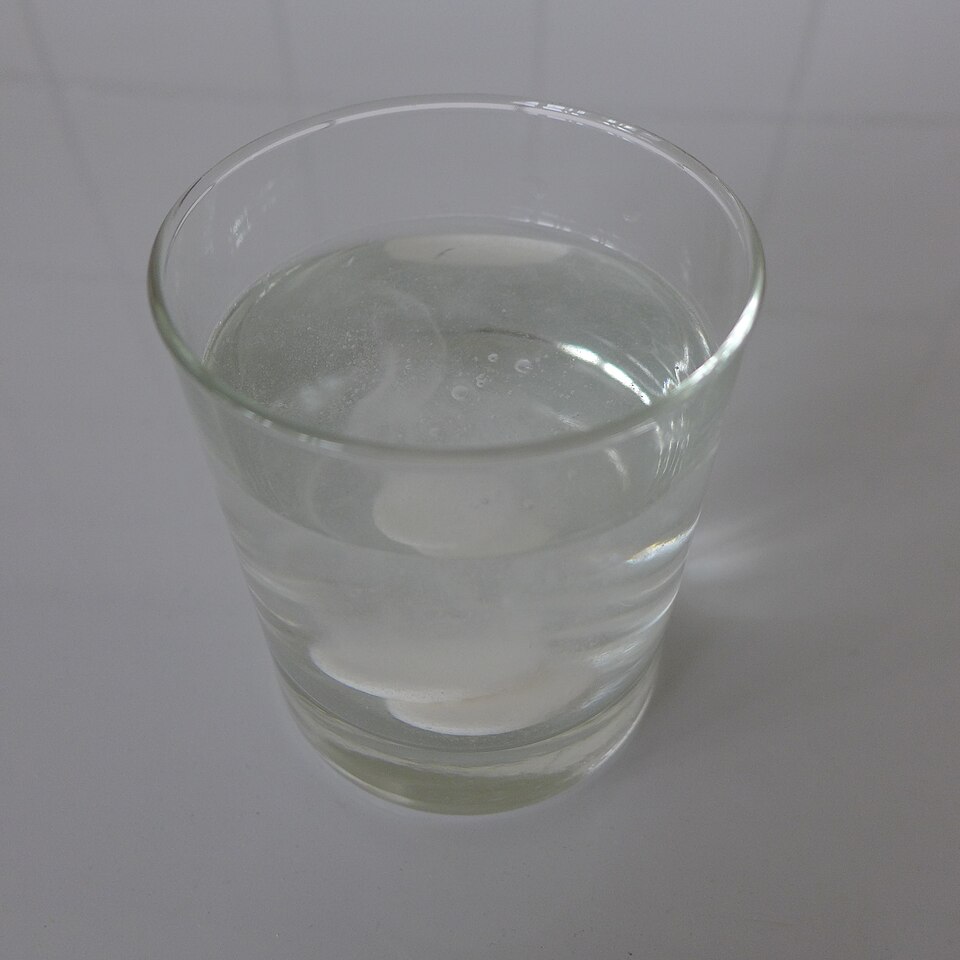
Antacids: CaCO₃ + 2HCl → CaCl₂ + H₂O + CO₂, neutralizes excess stomach acid.
Fermentation
Fermentation is anaerobic chemistry: microbes pull energy from sugars without oxygen. It leavens bread, brews beer and wine, and cultures yogurt, cheese, and sauerkraut:

Alcoholic fermentation: C₆H₁₂O₆ → 2C₂H₅OH + 2CO₂. Yeast turn sugar into ethanol (beer and wine) and carbon dioxide, the same CO₂ that makes bread dough rise.
Fermentation regenerates NAD⁺ when cells cannot rely on the full aerobic pathway. Working muscle produces lactate during intense exercise, but lactate is not simply waste left behind and is not the cause of delayed-onset muscle soreness.
Hair, Curls, and Perms
Hair is mostly keratin, a protein whose shape is held by two kinds of bonds. Styling works by breaking and reforming them:
Hydrogen bonds between keratin chains are weak and water-sensitive. Wetting or heat-styling breaks them, and as the hair dries in a new shape they reform and hold the curl, until humidity slips water back in and the curl drops.
A permanent wave goes deeper: a reducing agent breaks the strong disulfide bonds (S—S) between cysteine units, the hair is reshaped, then an oxidizer locks the bonds in their new positions, so the curl survives washing.
Batteries and Solar Cells
Modern life runs on stored and harvested electrons. Batteries move them through redox reactions; solar cells free them with light:
Lithium-ion batteries shuttle Li⁺ ions between a graphite anode and a metal-oxide cathode. Charging drives them one way and discharging lets them flow back, the reversible redox that powers phones, laptops, and electric cars.
Hydrogen fuel cells are electrochemical devices, not combustion engines. Their overall reaction is 2H₂ + O₂ → 2H₂O, producing electricity and water with no carbon dioxide at the point of use.
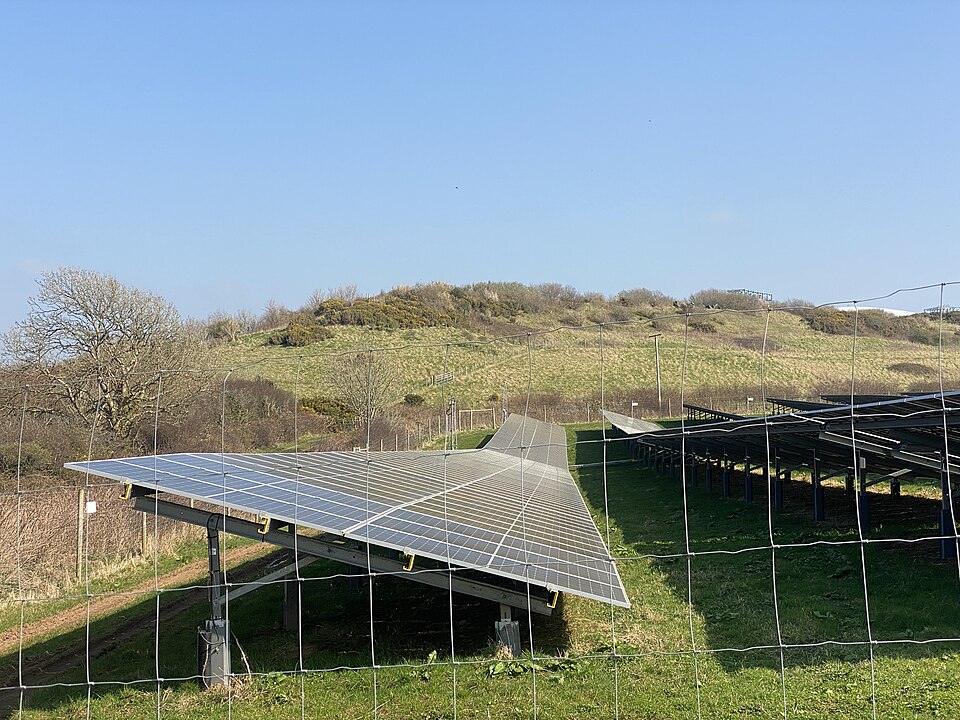
Solar panels are mostly doped silicon. Sunlight knocks electrons loose (the photovoltaic effect) and the cell's built-in electric field sweeps them into a current, generating power with no combustion and no moving parts.