Having a chemical element named after you is one of the highest honors in science. Only 16 scientists have received this distinction. Here is every element named specifically after a scientist, along with the contributions that earned them this rare recognition.
The Complete List
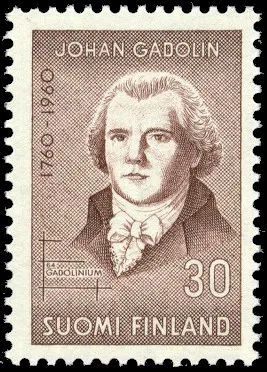
Finnish chemist who discovered yttrium. Founded the study of rare earth elements.
Wikimedia Commons · Public domain
Russian mining engineer. The first person to have an element named after him, even though he was not a scientist but a mine official who provided mineral samples.
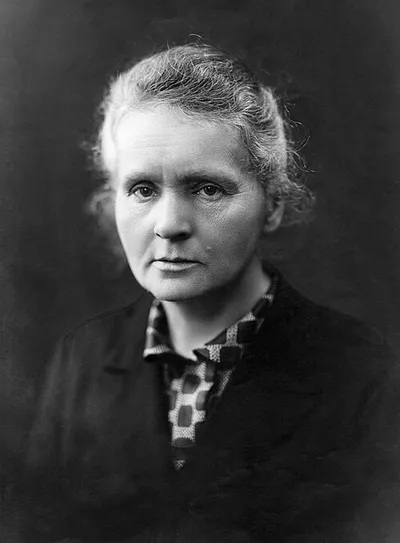
Pioneered radioactivity research. Marie Curie won Nobel Prizes in both Physics (1903) and Chemistry (1911).
Wikimedia Commons · Public domain
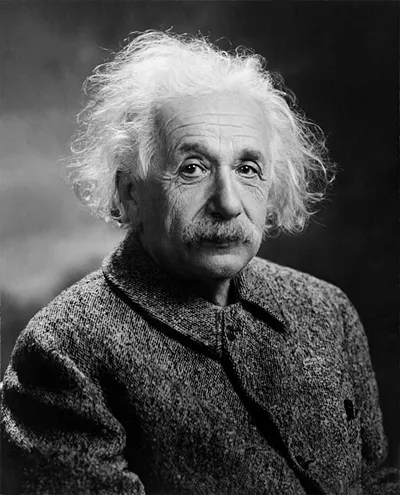
Developed the theory of relativity and the photoelectric effect explanation. Won the 1921 Nobel Prize in Physics.
Wikimedia Commons · Public domain
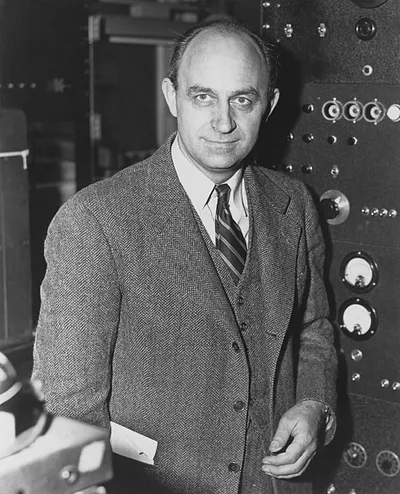
Created the first controlled nuclear chain reaction. Won the 1938 Nobel Prize in Physics.
Wikimedia Commons · Public domain
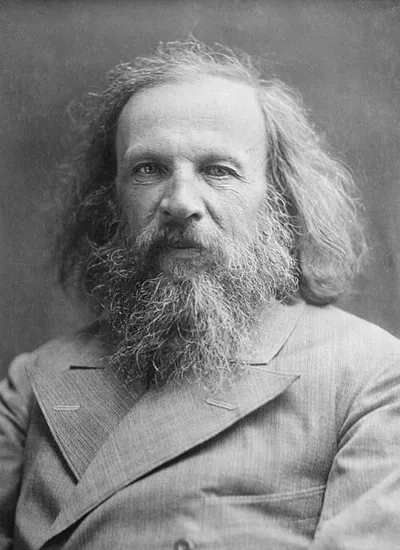
Created the periodic table of elements (1869) and accurately predicted properties of undiscovered elements.
Wikimedia Commons · Public domain
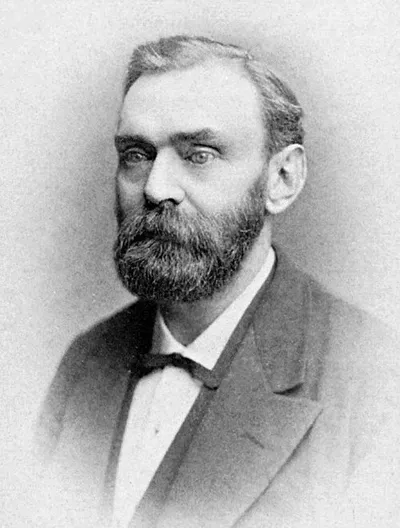
Swedish chemist who invented dynamite and established the Nobel Prizes through his will.
Wikimedia Commons · Public domain
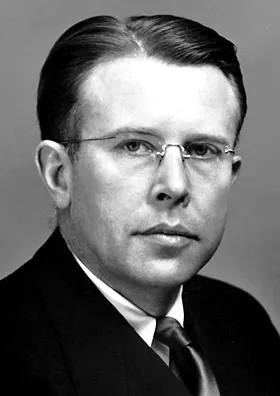
Invented the cyclotron particle accelerator. Won the 1939 Nobel Prize in Physics.
Wikimedia Commons · Public domain
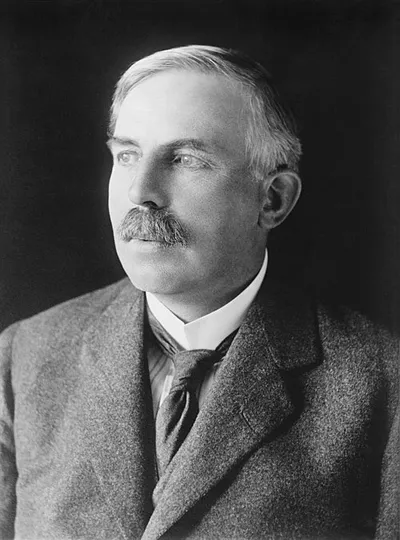
Discovered the atomic nucleus and proton. Won the 1908 Nobel Prize in Chemistry. Known as the father of nuclear physics.
Wikimedia Commons · Public domain
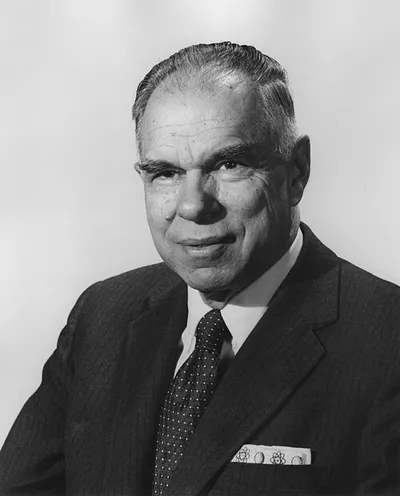
Co-discovered 10 transuranium elements and reconfigured the periodic table. Won the 1951 Nobel Prize in Chemistry. The first person to have an element named after them while alive at the time of naming (1997).
Wikimedia Commons · Public domain
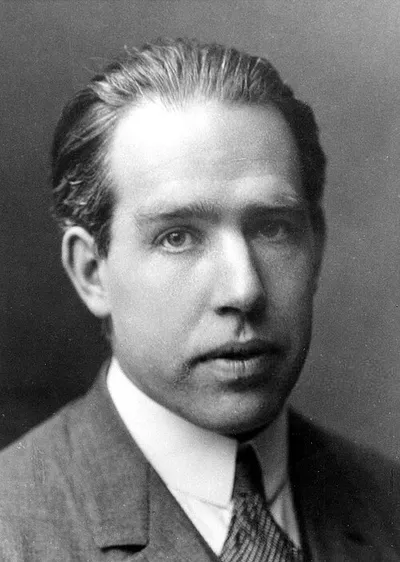
Developed the Bohr model of the atom. Won the 1922 Nobel Prize in Physics. His son Aage Bohr also won a Nobel Prize.
Wikimedia Commons · Public domain
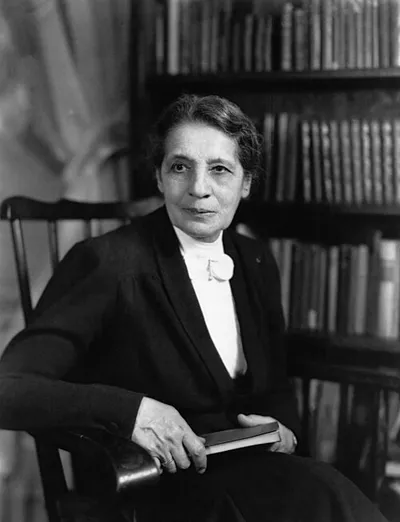
Co-discovered nuclear fission with Otto Hahn. Despite being nominated 48 times, she never won the Nobel Prize, one of the most notable omissions in Nobel history.
Wikimedia Commons · Public domain
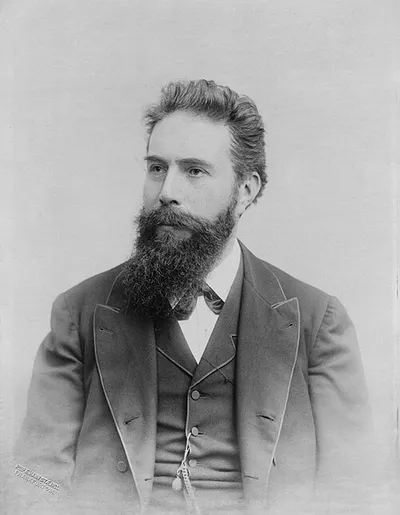
Discovered X-rays in 1895. Won the very first Nobel Prize in Physics (1901).
Wikimedia Commons · Public domain
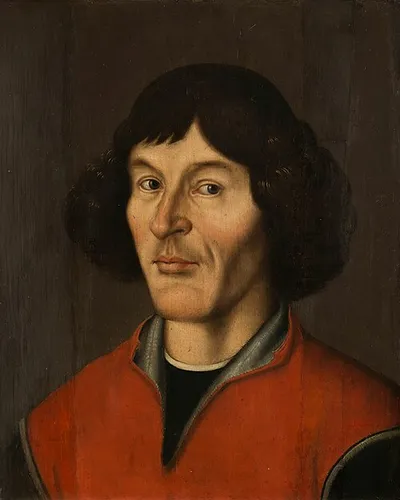
Renaissance astronomer who formulated the heliocentric model, placing the Sun at the center of the solar system.
Wikimedia Commons · Public domain

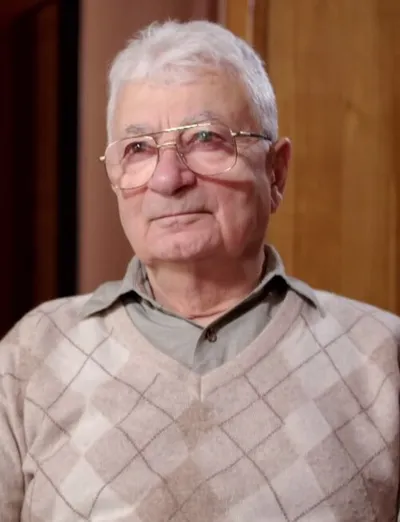
Soviet nuclear physicist who founded the laboratory where many superheavy elements were synthesized.
Wikimedia Commons · Public domain
Nobel Prize Winners Among Them
Of the 16 scientists honored with element names, 9 were Nobel Prize laureates: Marie Curie (2 prizes), Einstein, Fermi, Lawrence, Rutherford, Seaborg, Bohr, Röntgen, and Nobel himself (who created the prize). Notably, Lise Meitner, despite her critical contributions to discovering nuclear fission, never received the Nobel Prize, making her one of the most famous snubs in Nobel history.