Many elements carry names that reflect their geographic origins: the country, city, or region where they were discovered, or a place meaningful to their discoverers. This tradition connects chemistry to geography and history in fascinating ways.
Elements Named After Countries
These elements are directly named after nations:
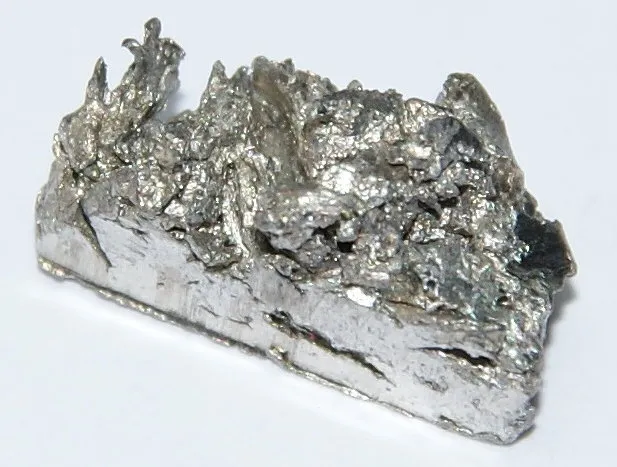
Discovered in 1939 by Marguerite Perey at the Curie Institute in Paris. The most unstable of the first 101 elements.
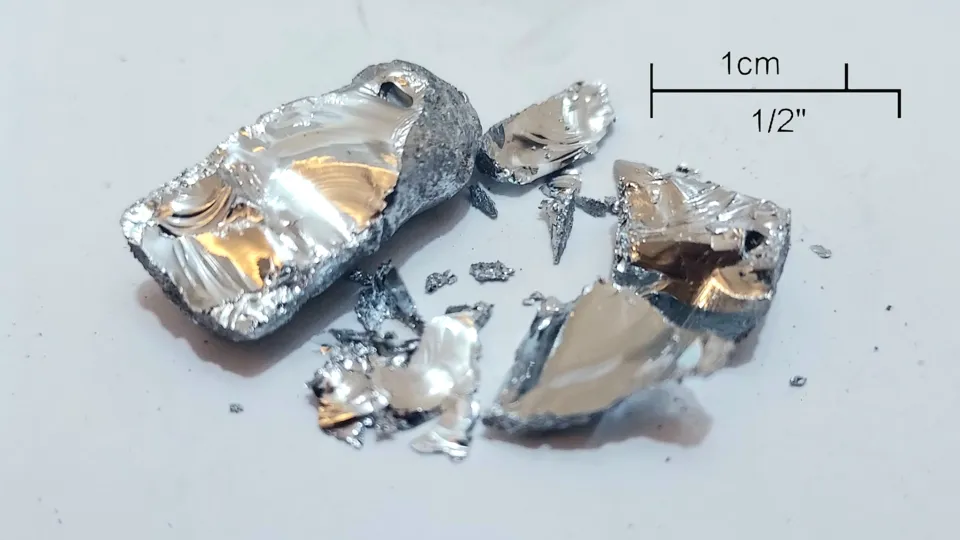
Named by Marie Curie after her homeland, which was not an independent country at the time.
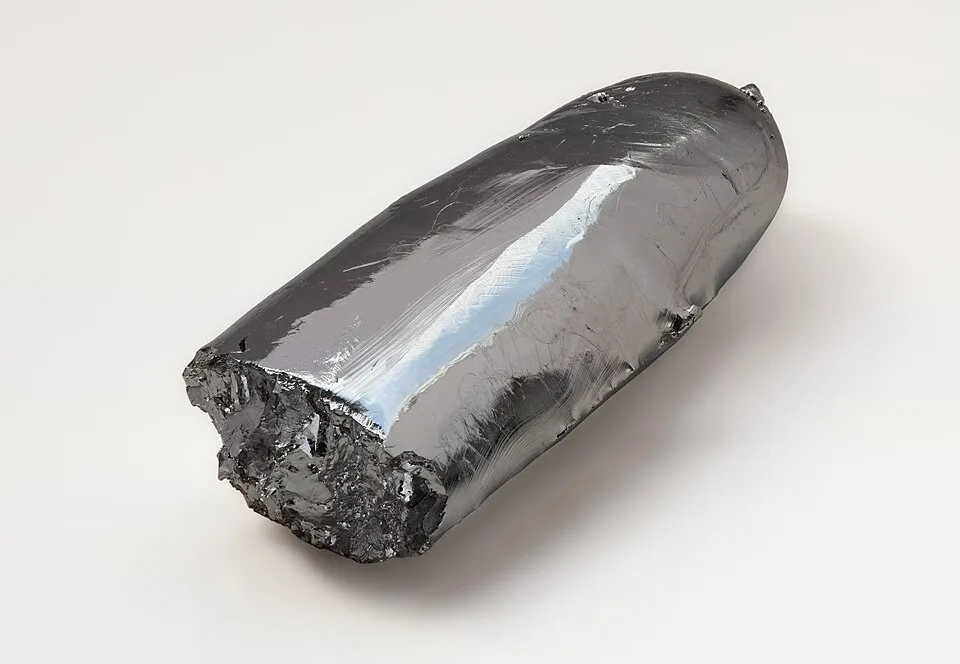
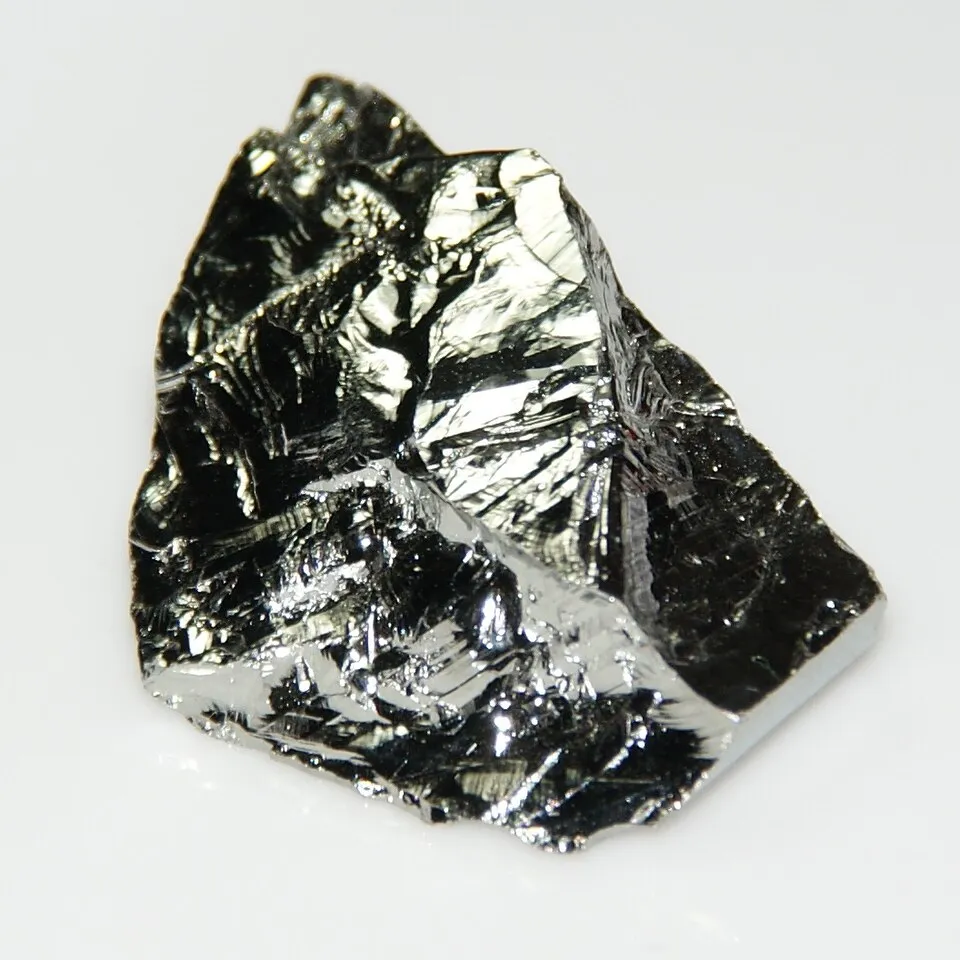
Discovered in 1844 by Karl Klaus at Kazan University.
Alchemist-hp · Free Art License
Synthesized in 1944 at the University of Chicago. Now commonly found in household smoke detectors.
The first element discovered in Asia. Synthesized at RIKEN in Wako, Japan.
Elements Named After Cities and Regions
Several elements honor the cities or regions where they were discovered or studied:
Discovered in 1923 at the Niels Bohr Institute in Copenhagen, Denmark.
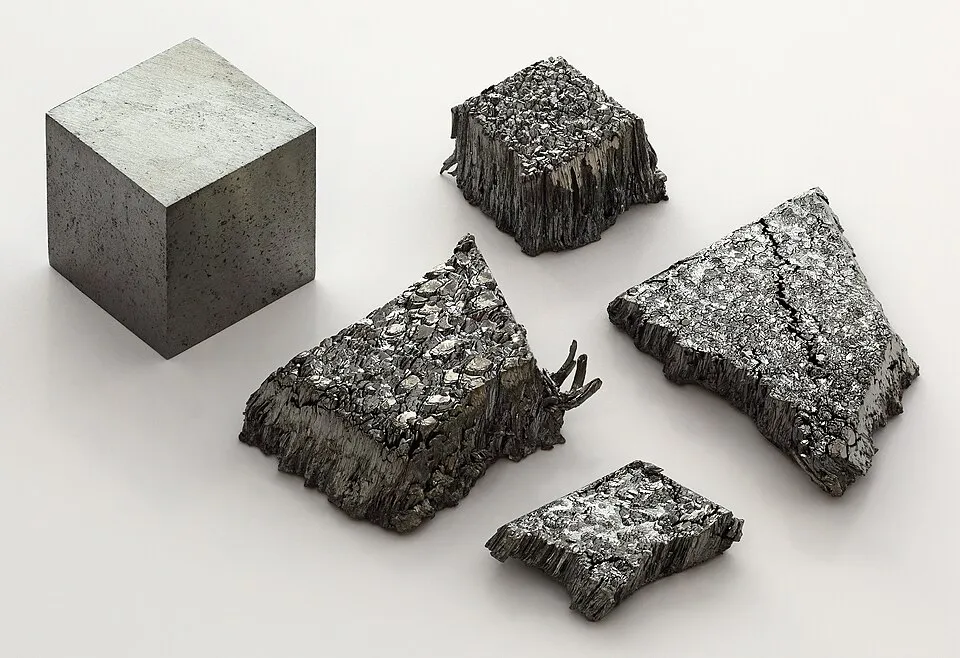
Named after the ancient Roman name for Paris.
Alchemist-hp · Free Art License
Named after the Rhine river region in Germany where it was discovered.
Named after the German state where the GSI Helmholtz Centre is located.
Named for the city hosting the GSI research center where it was synthesized.
Named after the city where the University of California, Berkeley is located.
Named after the state and the University of California.
Named after the Russian city housing the Joint Institute for Nuclear Research.
Named for the US state, honoring research institutions there.
Named after the Moscow Oblast region.
Named after the laboratory in Livermore, California, which collaborated with JINR Dubna on its discovery.
The Ytterby Connection
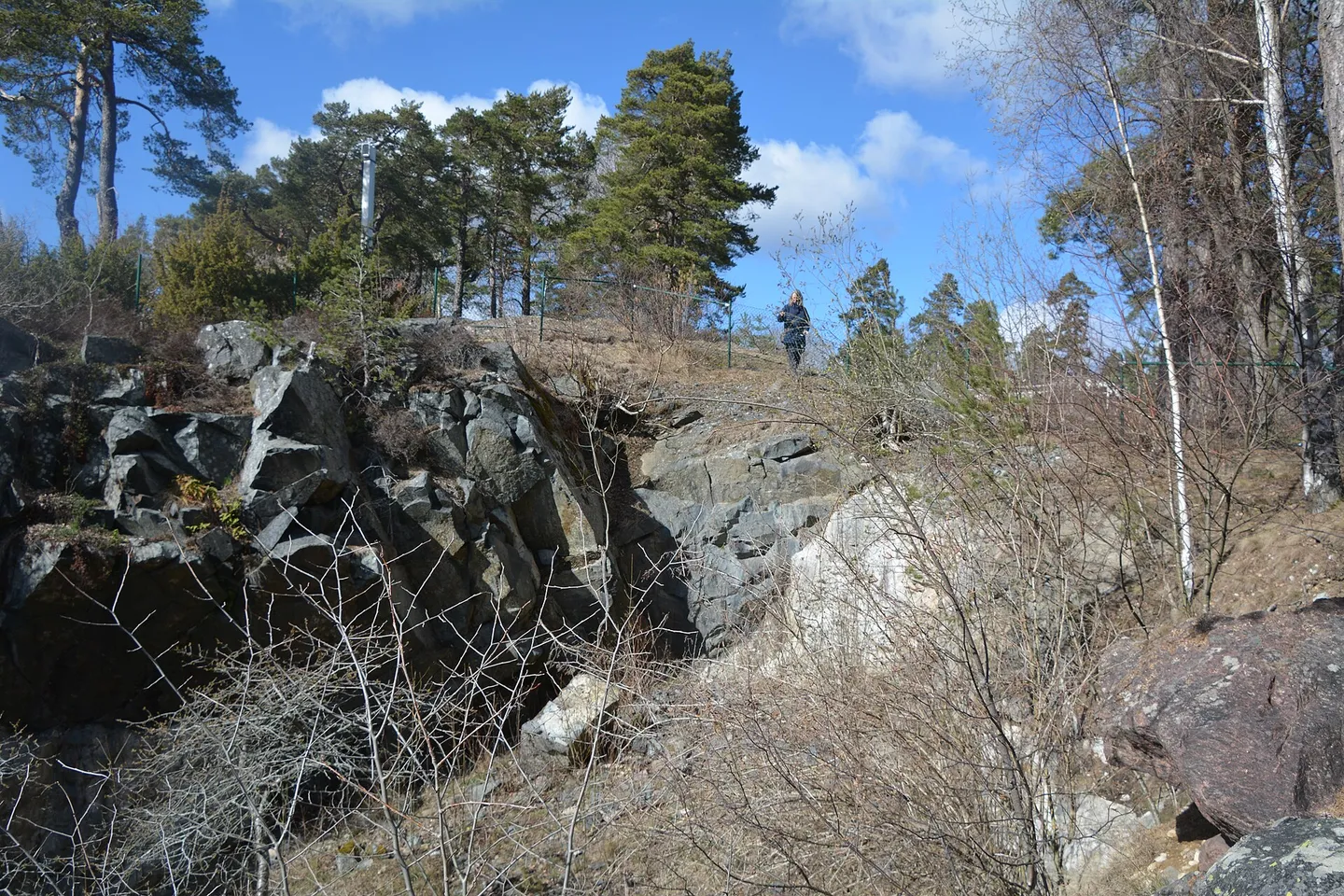
The small village of Ytterby in Sweden holds the record for inspiring the most element names. Four elements are named after it:
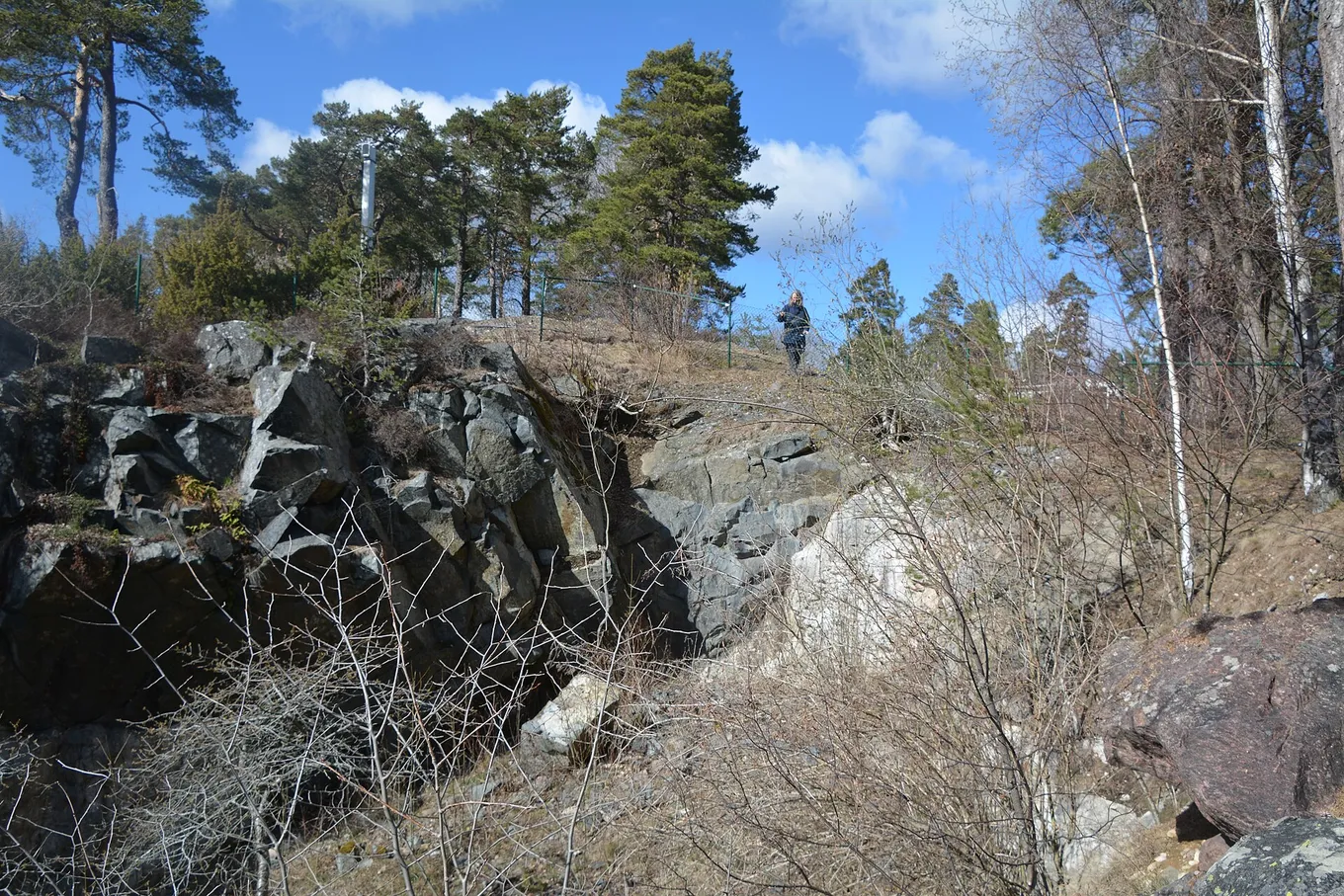
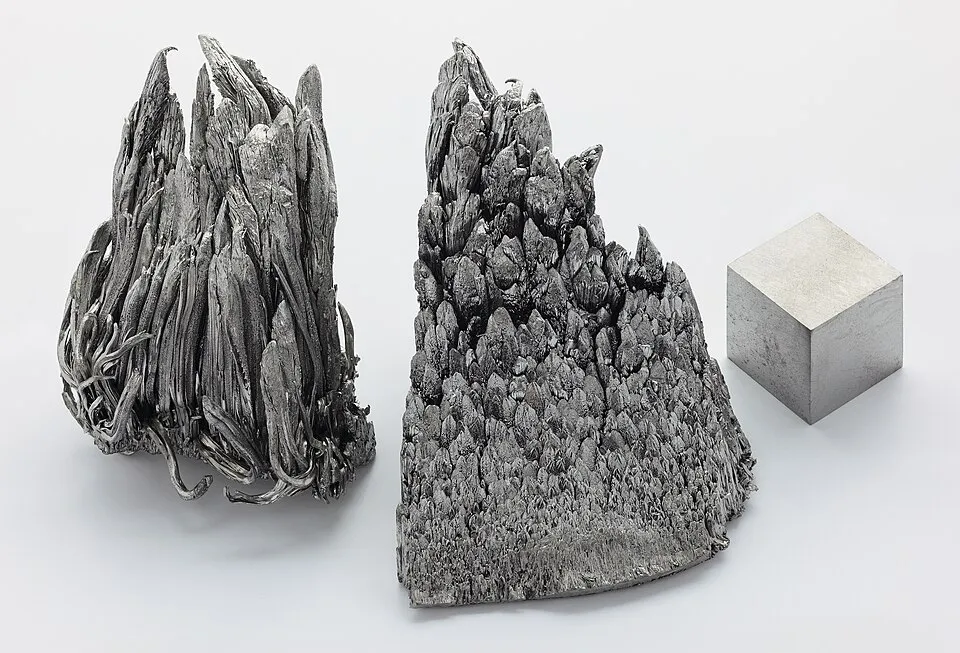
Yttrium, discovered in a mineral from the Ytterby mine.
Alchemist-hp · Free Art License
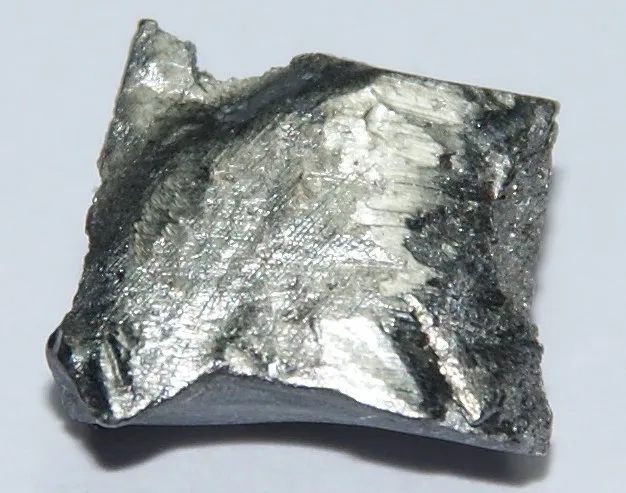
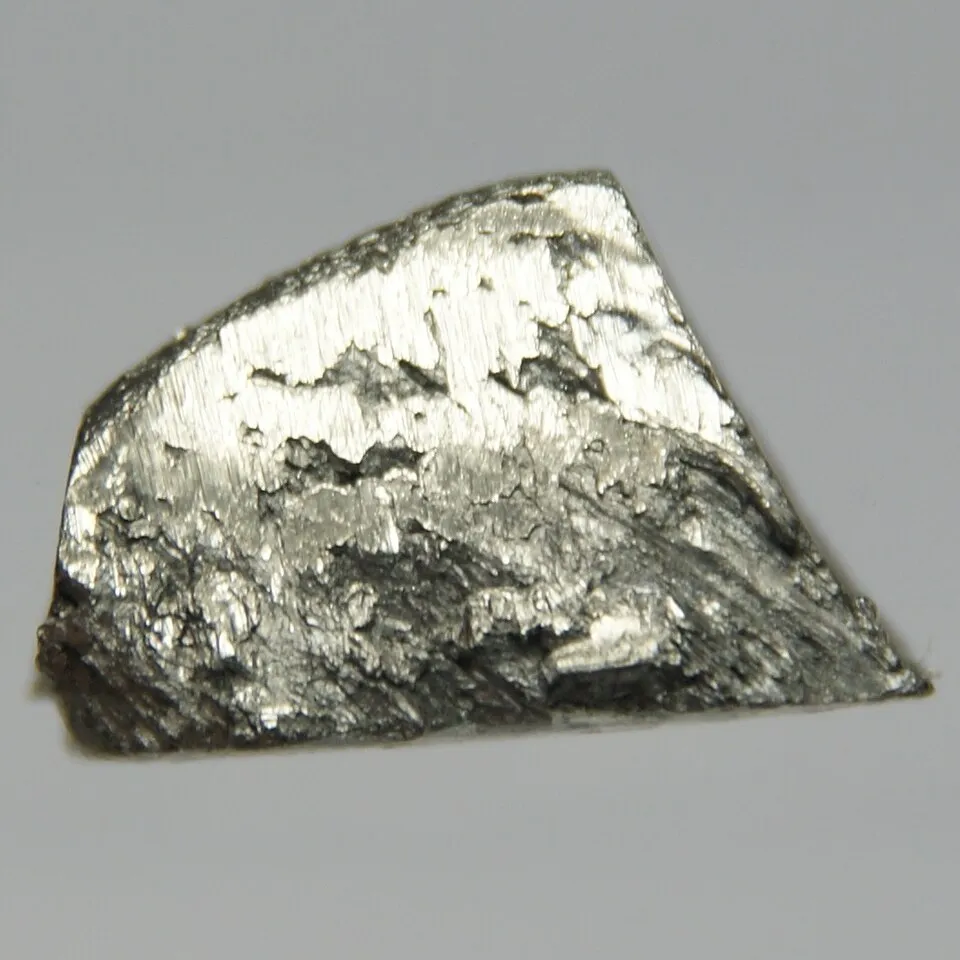
Erbium, another variation of the village name.
Hi-Res Images of Chemical Elements · CC BY 3.0