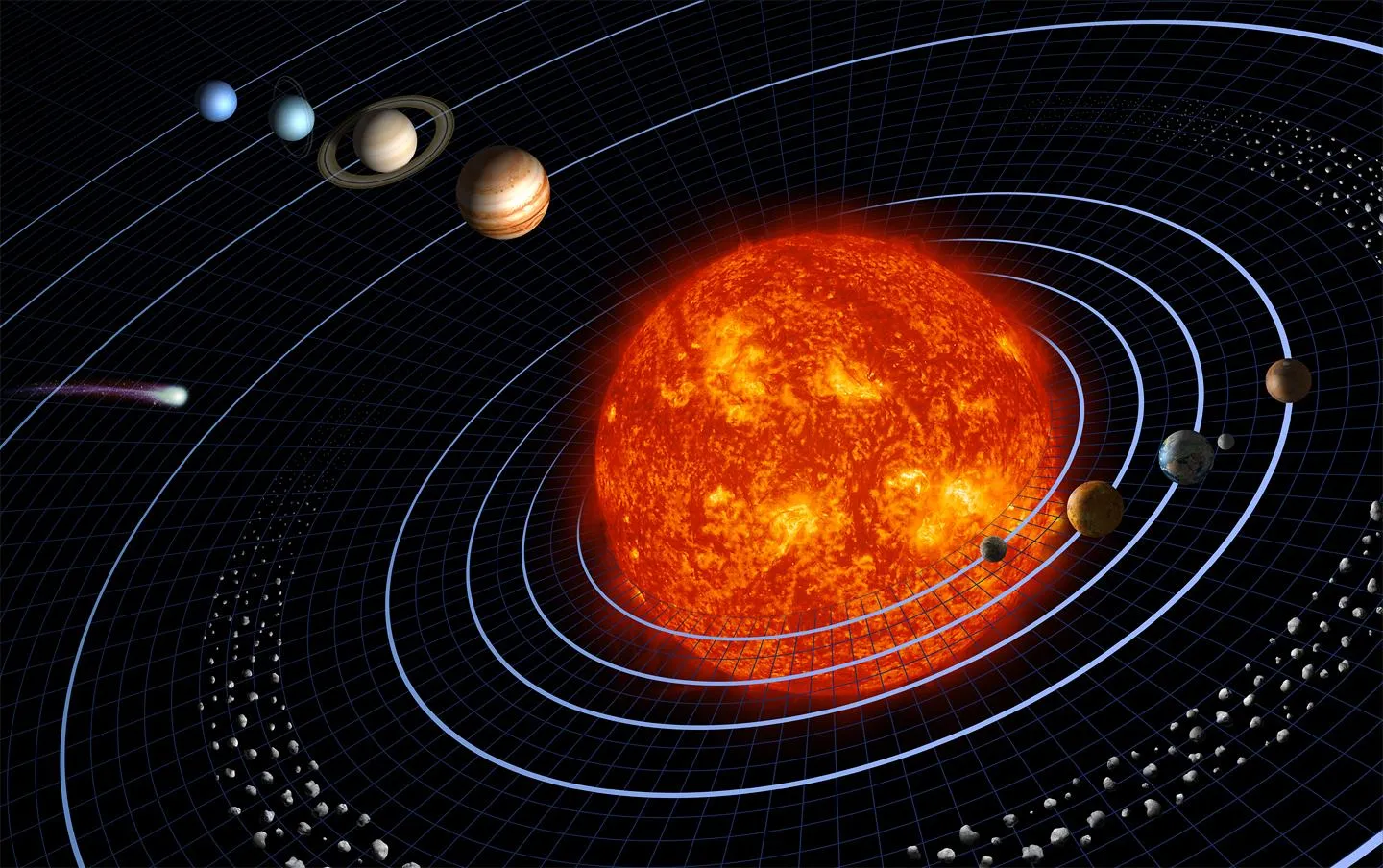
When astronomers discovered new worlds in the solar system, chemists discovering new elements often reached for the same names. The clearest example is a run of three: uranium, neptunium, and plutonium mirror the planets Uranus, Neptune, and Pluto in the exact order they appear in the periodic table. A few more elements take their names from other bodies in our solar system: the planet Mercury, the Earth itself, and two minor planets.
The Three Elements Named After Planets
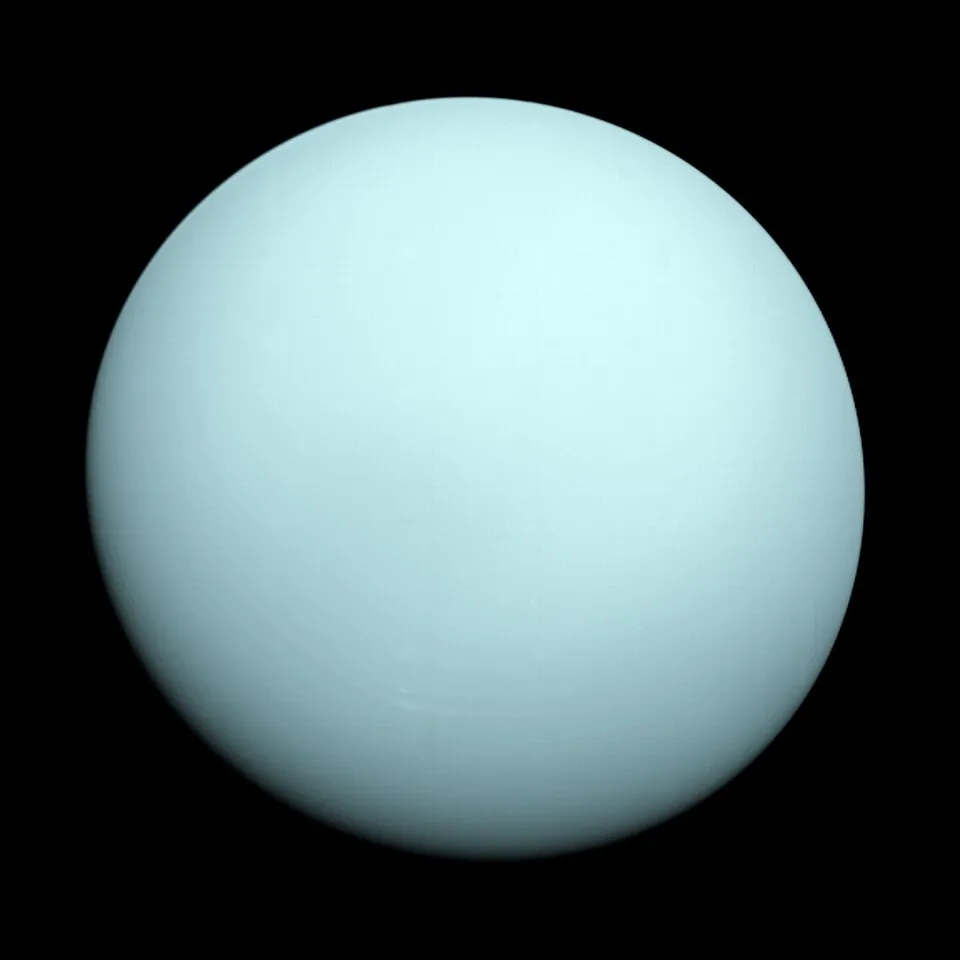
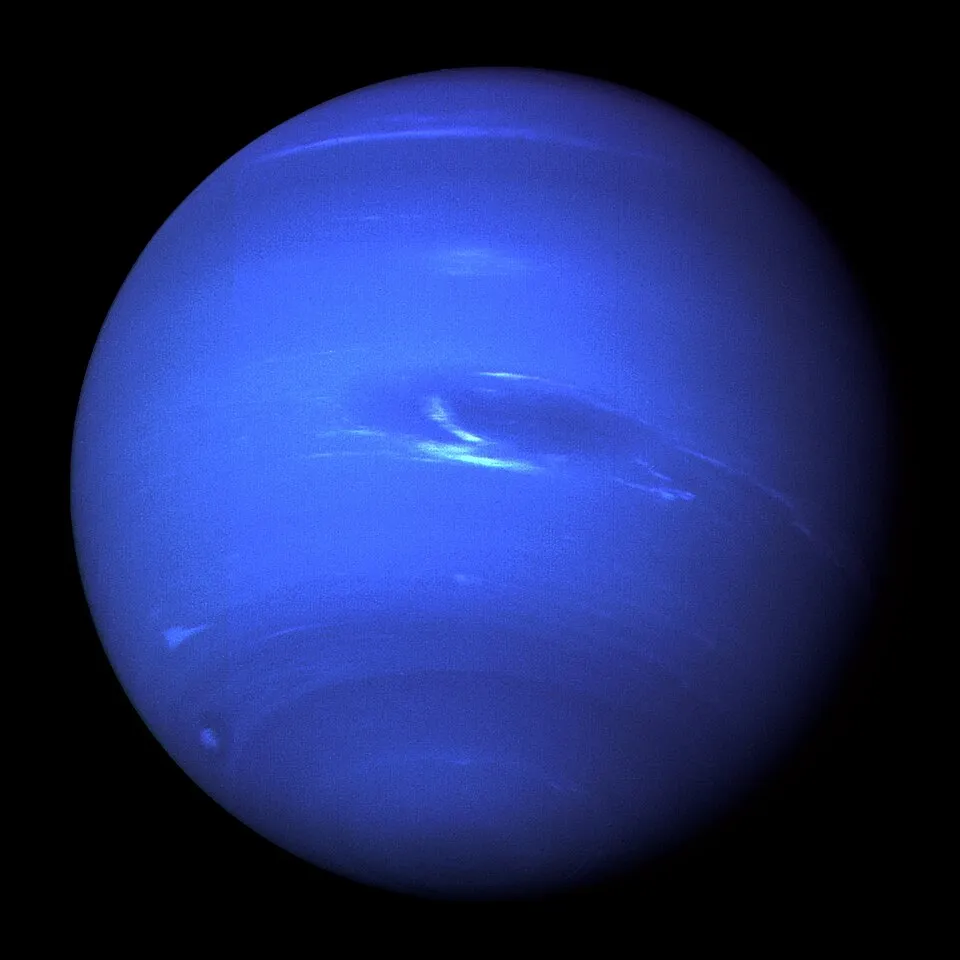
These three elements were named in sequence after the outermost planets, so that increasing atomic number tracks increasing distance from the Sun:
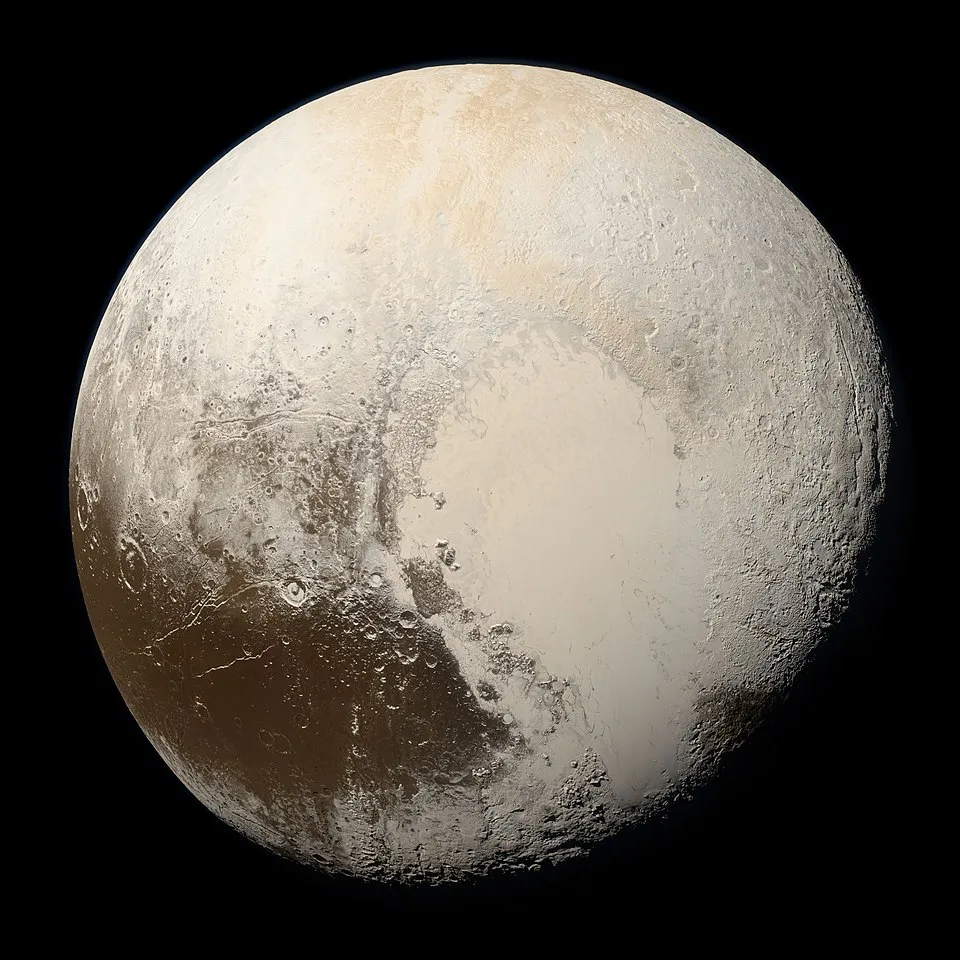
Named after Pluto, which was classified as the ninth planet when plutonium was named in 1941. Pluto was reclassified as a dwarf planet in 2006, but the element keeps its name.
NASA/JHUAPL/SwRI · Public domain
Mercury: Planet and God
Mercury is the rare element that shares its name with a planet (and the Roman god the planet is named for):
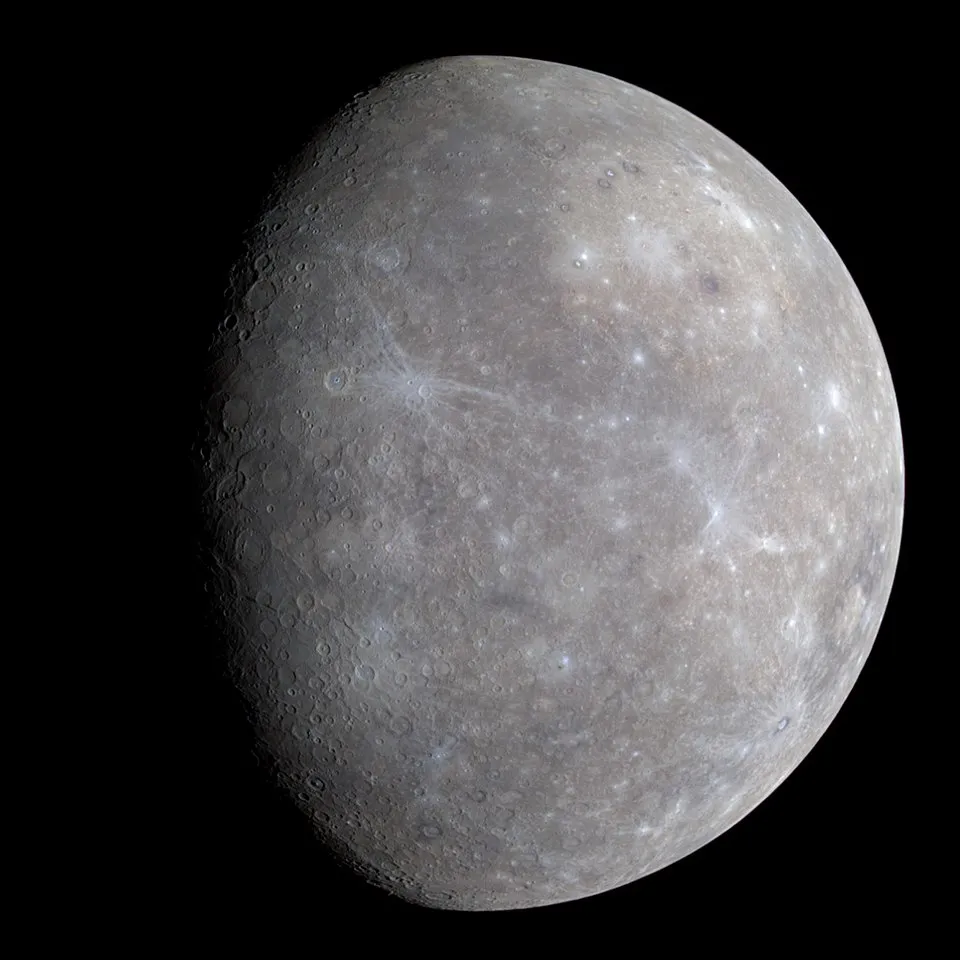
Shares its name with the planet Mercury and the swift Roman messenger god, fitting for the only metal that is liquid at room temperature. Its symbol Hg comes from the Latin 'hydrargyrum,' meaning 'liquid silver.'
NASA/JHUAPL/Carnegie · Public domain
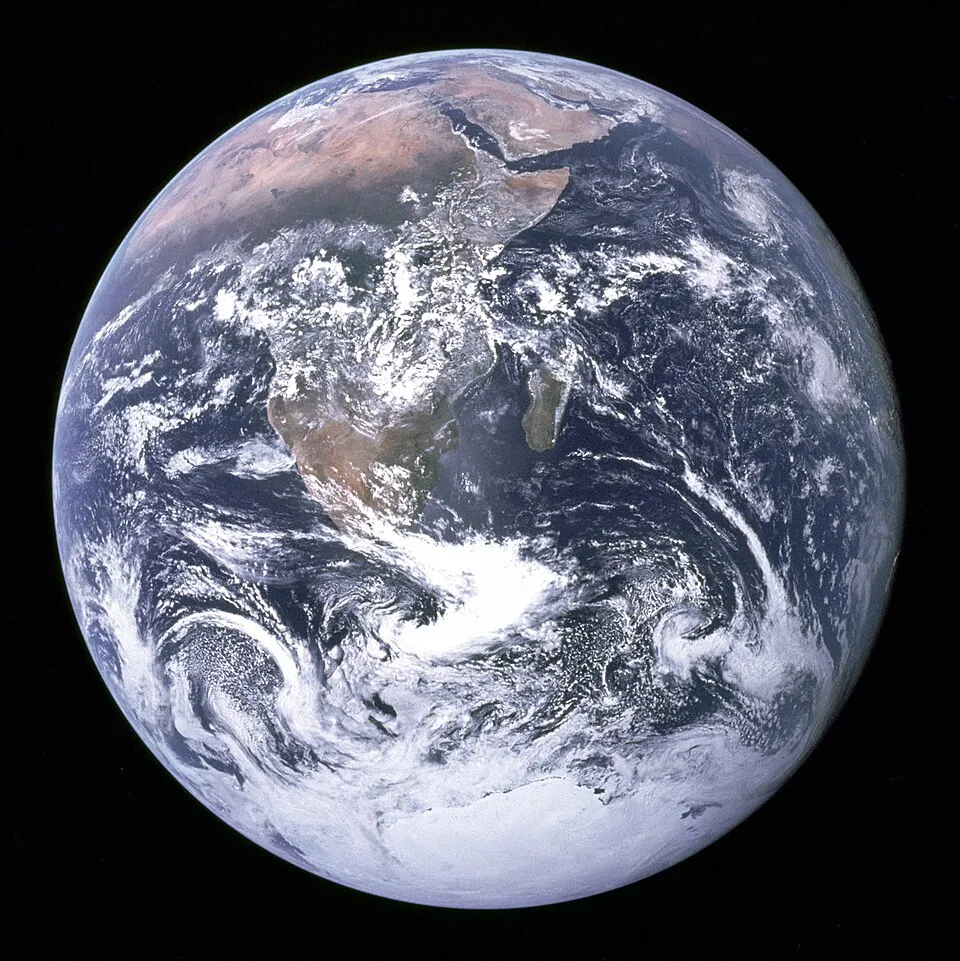
Tellurium: Named After the Earth
One element is named after our own planet:
Named After Minor Planets
Two elements are named after minor planets discovered in the early 1800s, just before the elements themselves:
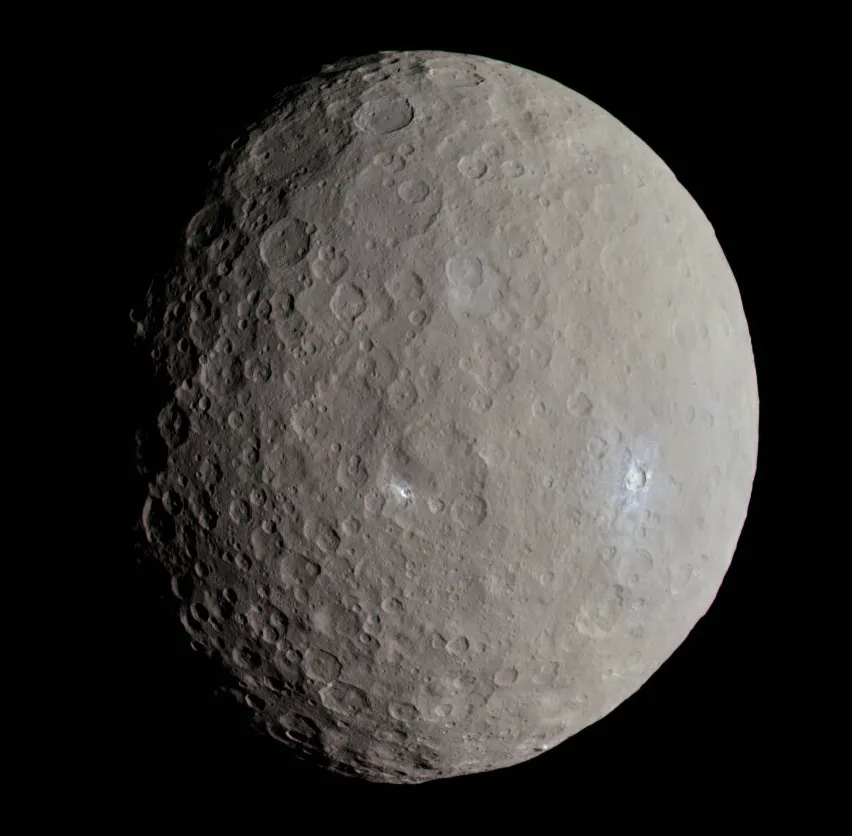
Named after Ceres, the first asteroid discovered (1801) and now classified as a dwarf planet. Cerium was identified in 1803, two years later.
NASA/JPL-Caltech/UCLA/MPS/DLR/IDA · Public domain
Named after the asteroid Pallas, discovered in 1802. Palladium was discovered the following year, in 1803.
Why the Planetary Naming Pattern Matters
The uranium-neptunium-plutonium sequence is one of the periodic table's most elegant naming choices. When Edwin McMillan and Glenn Seaborg's teams synthesized elements 93 and 94 in 1940 and 1941, they deliberately continued the planetary order Klaproth had started with uranium 150 years earlier. The pattern is a reminder that element naming is a human, historical act, shaped by what scientists were excited about at the time, from new planets to new gods to one another.