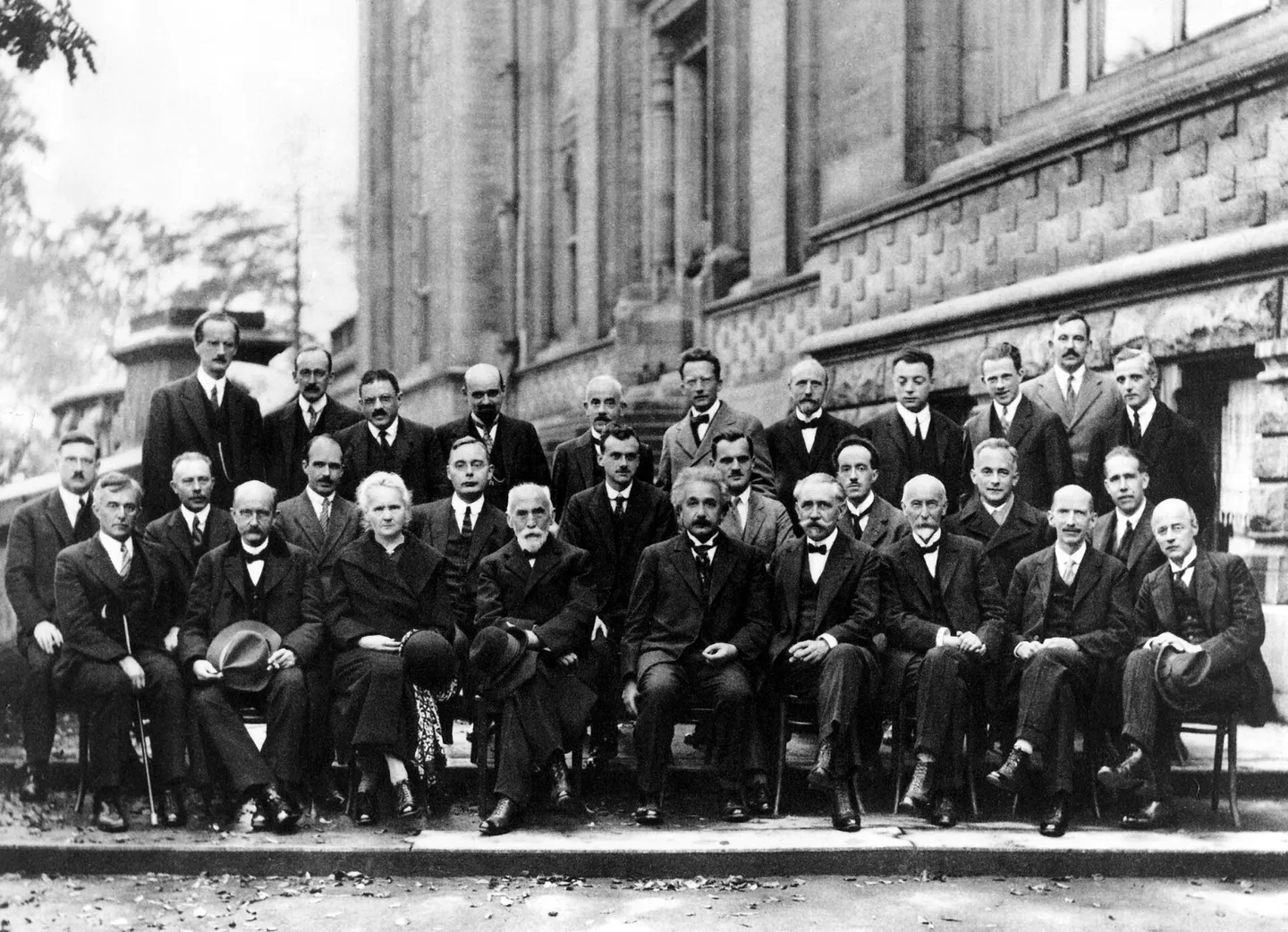
Of the 118 known elements, 19 are named after people, nearly all of them scientists who made groundbreaking contributions to chemistry, physics, or our understanding of the atom.
Two elements stand out as being named for living scientists at the time of naming: Seaborgium (Sg, element 106), named after Glenn T. Seaborg in 1997, and Oganesson (Og, element 118), named after Yuri Oganessian in 2016.
Elements Named After Scientists
The following elements honor scientists whose work shaped modern chemistry and physics:
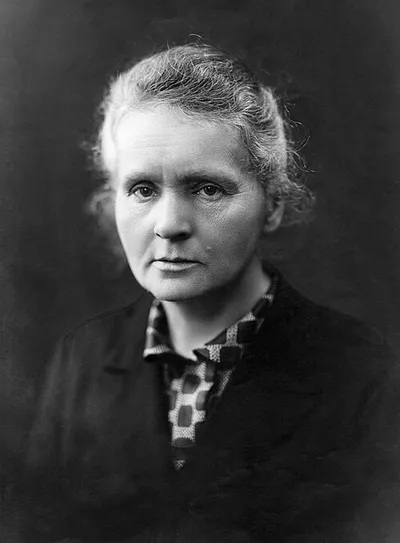
Pioneers of radioactivity research. Marie Curie was the first woman to win a Nobel Prize and remains the only person to win Nobel Prizes in two different sciences.
Wikimedia Commons · Public domain
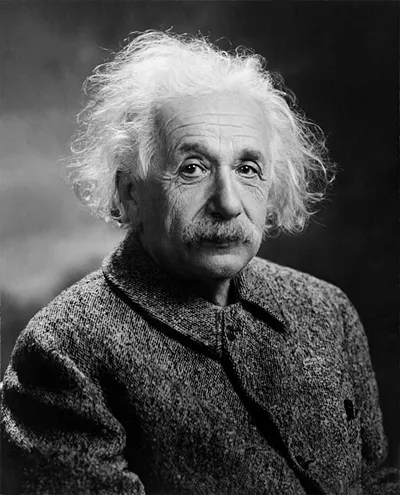
Discovered in the debris of the first thermonuclear explosion (1952). Named for the physicist who developed the theory of relativity and the mass-energy equivalence E = mc².
Wikimedia Commons · Public domain
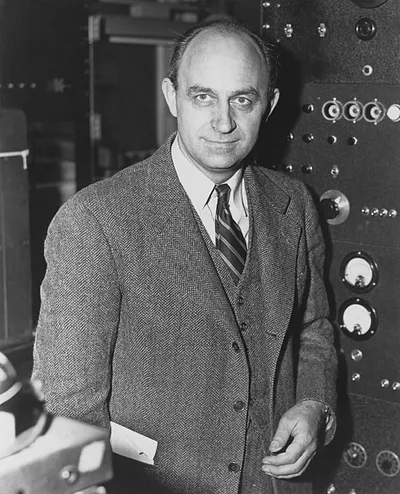
Also discovered in hydrogen bomb debris. Named for the physicist who built the first nuclear reactor (Chicago Pile-1) and made major contributions to quantum theory.
Wikimedia Commons · Public domain
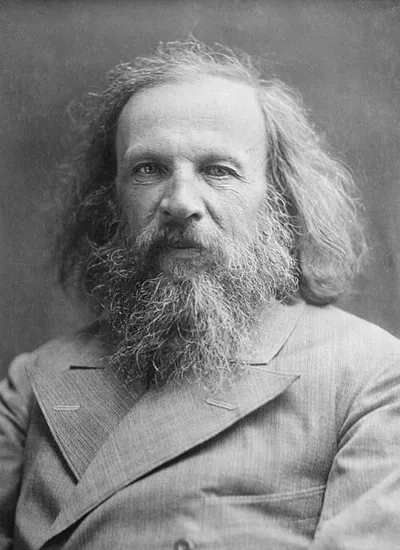
Named for the Russian chemist who created the periodic table in 1869, famously predicting the properties of elements not yet discovered.
Wikimedia Commons · Public domain
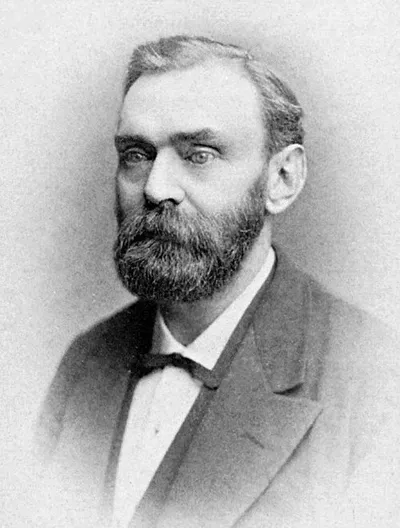
Named for the Swedish chemist who invented dynamite and established the Nobel Prizes.
Wikimedia Commons · Public domain
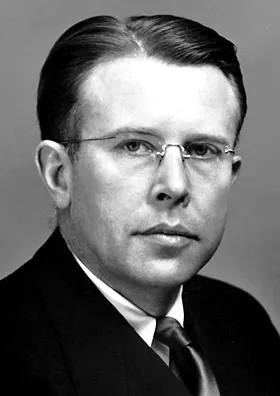
Named for the American physicist who invented the cyclotron, a type of particle accelerator, and won the 1939 Nobel Prize in Physics.
Wikimedia Commons · Public domain
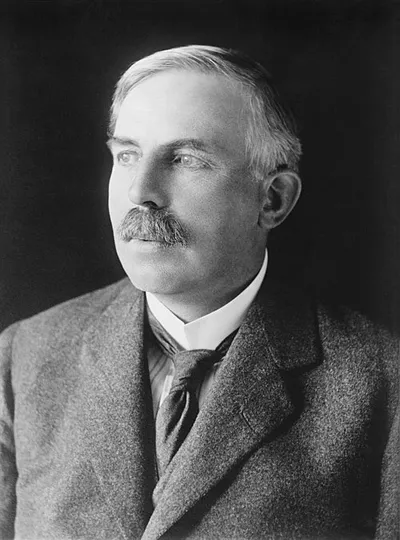
Named for the physicist who discovered the atomic nucleus through the gold foil experiment and is considered the father of nuclear physics.
Wikimedia Commons · Public domain
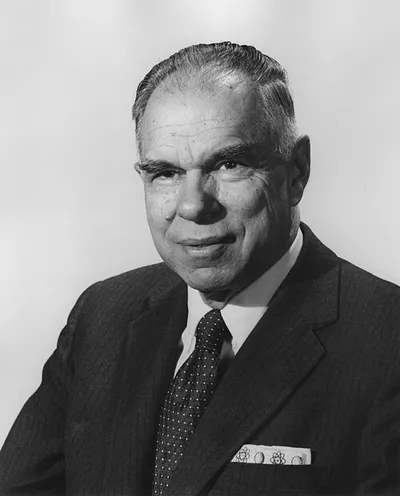
The only element named after a living person at the time. Seaborg co-discovered 10 transuranium elements and won the 1951 Nobel Prize in Chemistry.
Wikimedia Commons · Public domain
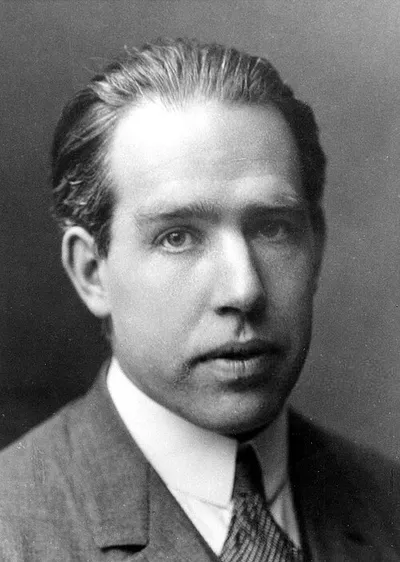
Named for the Danish physicist who developed the Bohr model of the atom and made foundational contributions to quantum mechanics.
Wikimedia Commons · Public domain
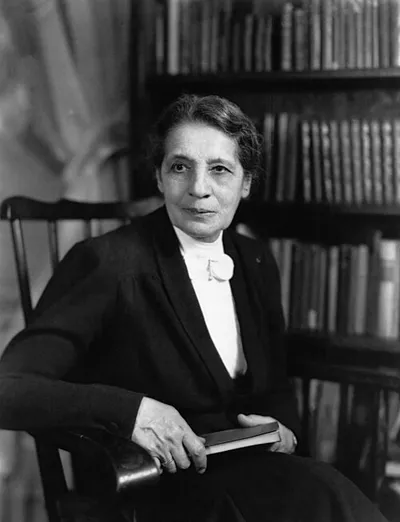
Named for the Austrian-Swedish physicist who helped discover nuclear fission. Despite her critical contributions, she was overlooked for the Nobel Prize.
Wikimedia Commons · Public domain
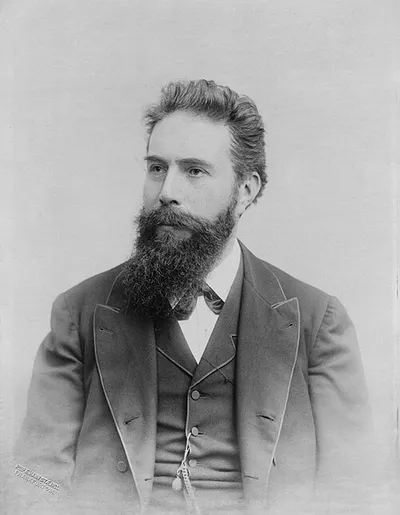
Named for the German physicist who discovered X-rays in 1895, earning the first Nobel Prize in Physics (1901).
Wikimedia Commons · Public domain

Named for the Renaissance astronomer who formulated the heliocentric model of the solar system.
Wikimedia Commons · Public domain

Named in honor of the Flerov Laboratory of Nuclear Reactions, itself named after Soviet physicist Georgy Flyorov who founded it.
Wikimedia Commons · Public domain

Other Elements Named for Individuals
Two other elements honor individuals who were not physicists or chemists by profession:
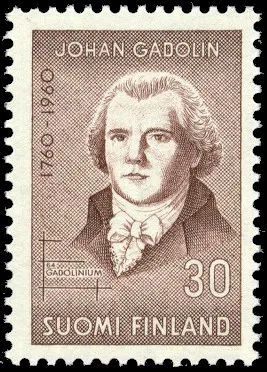
Named for the Finnish chemist who discovered yttrium and is considered the founder of Finnish chemistry.
Wikimedia Commons · Public domain
The first element named after a person. Named for the Russian mine official who provided mineral samples to researchers.
Why So Many Elements Are Named After Scientists
The trend of naming elements after scientists began in the mid-20th century as synthetic elements became increasingly difficult to produce. Since these elements don't exist in nature and must be created in particle accelerators, their discoverers earned the right to propose names, and they frequently chose to honor the giants of science.
The International Union of Pure and Applied Chemistry (IUPAC) has the final say on element names. Their guidelines suggest elements can be named after mythological characters, minerals, places, properties, or scientists.