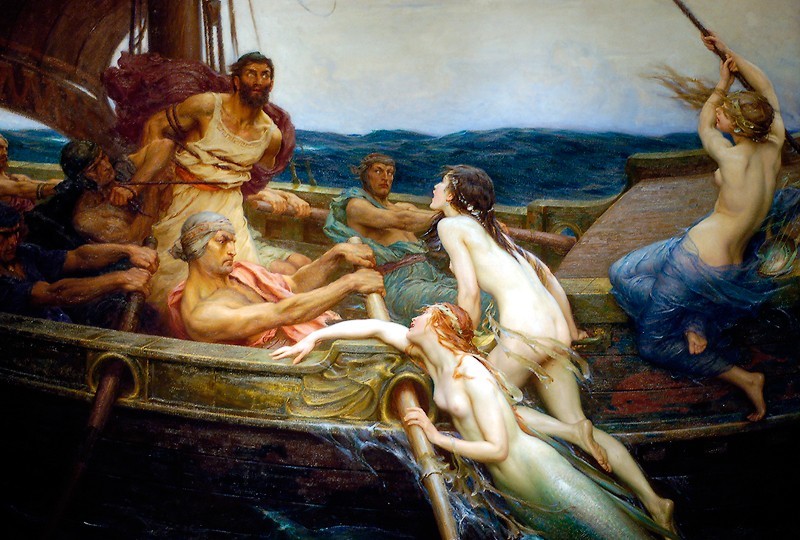
Homer's Odyssey, composed around the 8th century BCE, is set in a world shaped by Bronze Age metallurgy. The poem names or describes materials associated with at least seven modern chemical elements. Reading those passages through chemistry reveals what ancient craftspeople could observe without claiming that Homer knew the later atomic explanation.
Sulfur: The Divine Purifier
The most chemically striking moment comes in Book 22. After the suitors are killed, Odysseus orders sulfur and fire to fumigate the hall.
Burning sulfur produces sulfur dioxide (SO₂), a toxic gas with antimicrobial and pesticidal action. The passage records a practical purification method long before its molecular mechanism was understood. Translations differ in wording, and proposed links between the Greek words for sulfur and divinity are debated, so the chemistry of the action is firmer than the etymology.
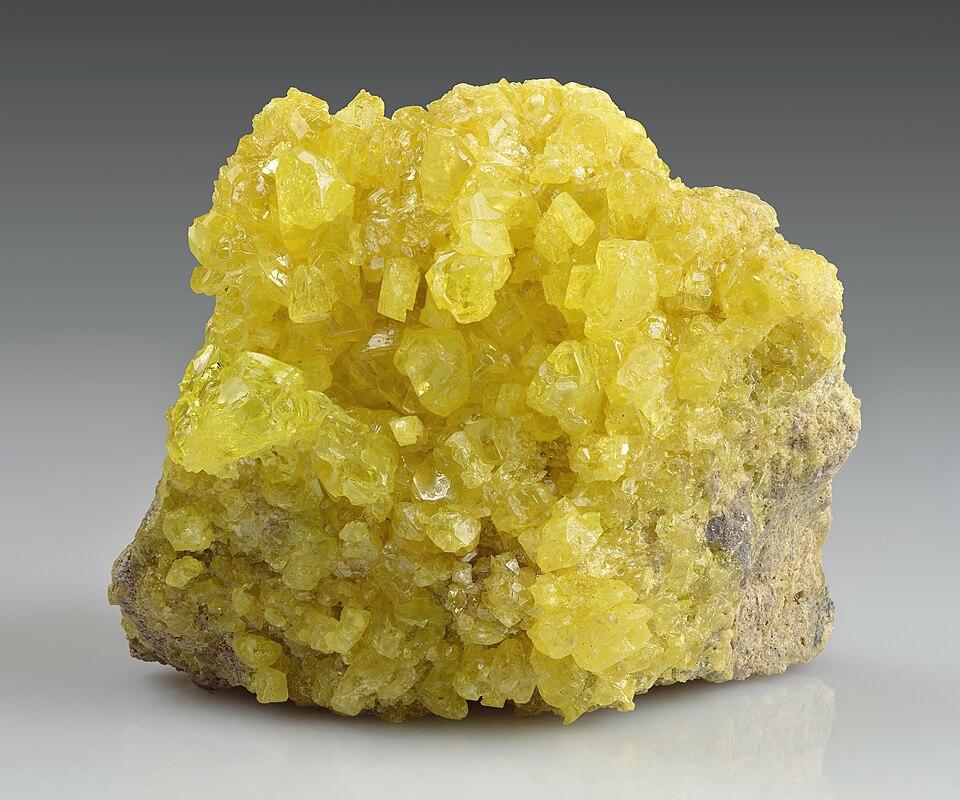
Odyssey Book 22, Odysseus fumigates the hall with burning sulfur after killing the suitors. Sulfur dioxide (SO₂) acts as an antimicrobial agent.
Ivar Leidus · CC BY-SA 4.0
Bronze: Copper and Tin
Bronze is the defining material of the Odyssey: swords, armor, cauldrons, and axe heads are repeatedly described as bronze.
Many ancient bronzes were alloys of copper (Cu) and tin (Sn). Tin additions can make copper harder and can lower the melting range compared with pure copper, improving casting. Composition varied by object, place, and period, so 88% copper and 12% tin is a useful example, not a universal recipe.
Homer uses the Greek word kassiteros for tin. The long-distance sources of Bronze Age tin remain an active archaeological question.
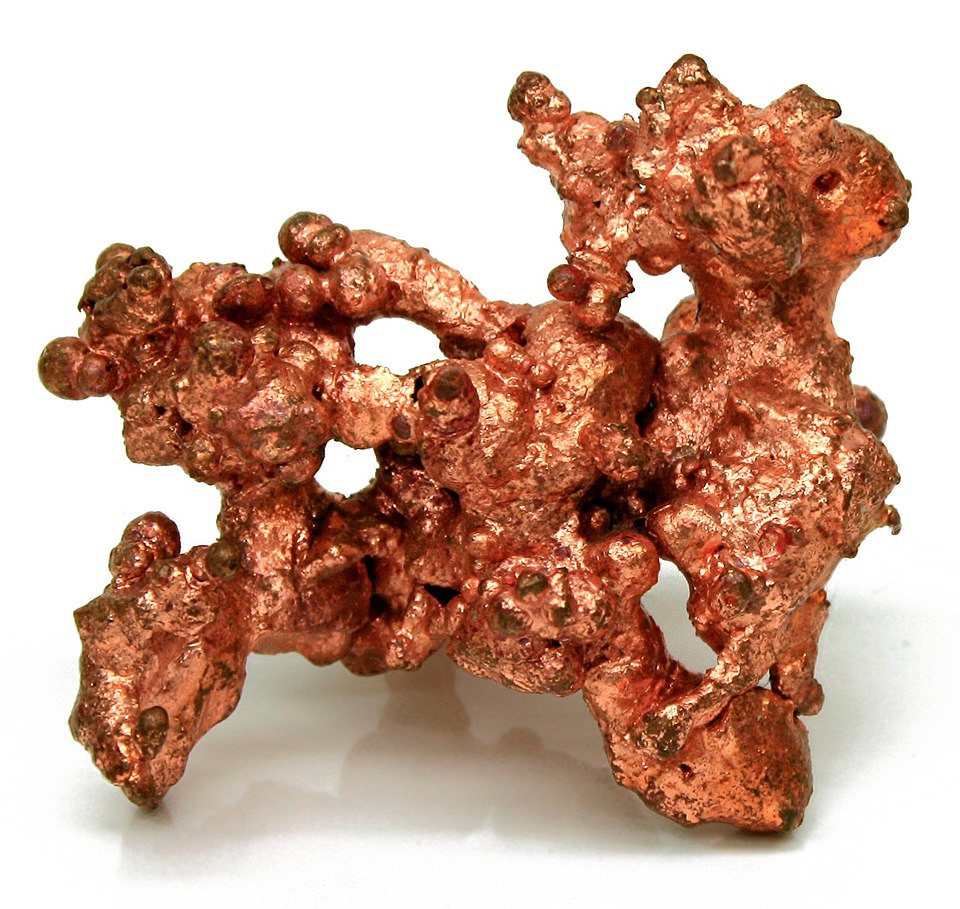
Primary component of bronze (~88%). Copper was abundant in the ancient Mediterranean. Cyprus was a major source (the element's name derives from Latin cuprum, 'from Cyprus').
Jonathan Zander · CC BY-SA 3.0
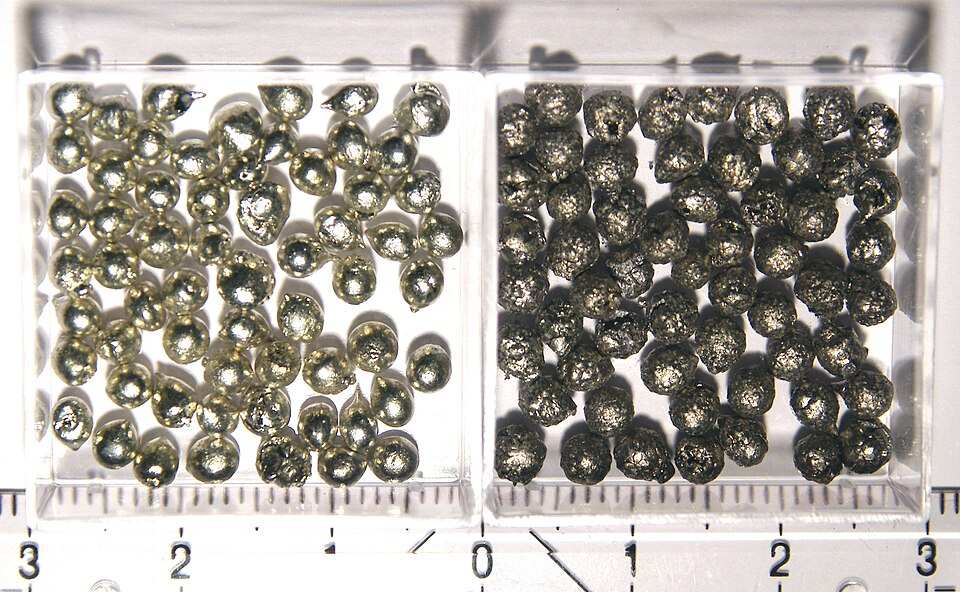
Homer's kassiteros. The tin trade was one of the longest trade routes of the ancient world, essential for Bronze Age civilization.
Alchemist-hp · CC BY-SA 3.0
Gold and Silver: Metals of the Gods
Gold (Au) and silver (Ag) mark wealth, craftsmanship, and divine splendor throughout the poem. Gold's high resistance to oxidation helps explain why ancient gold objects can survive with little corrosion, though gold can react under specialized chemical conditions. Silver is also corrosion-resistant but can tarnish through sulfur compounds.
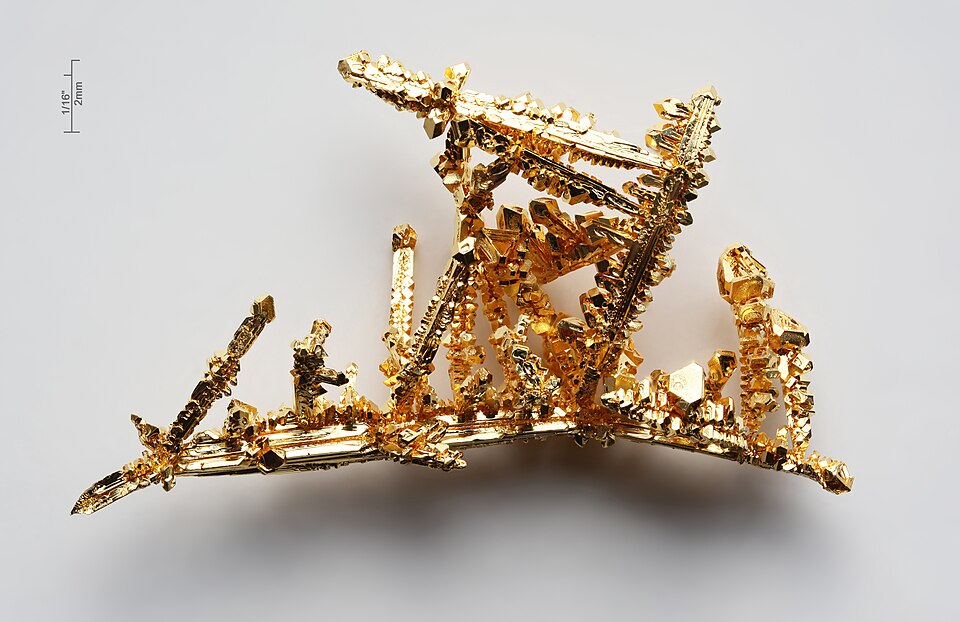
A highly noble metal that strongly resists oxidation, helping ancient artifacts survive. Melting point: 1,064 °C.
Alchemist-hp · CC BY-SA 3.0
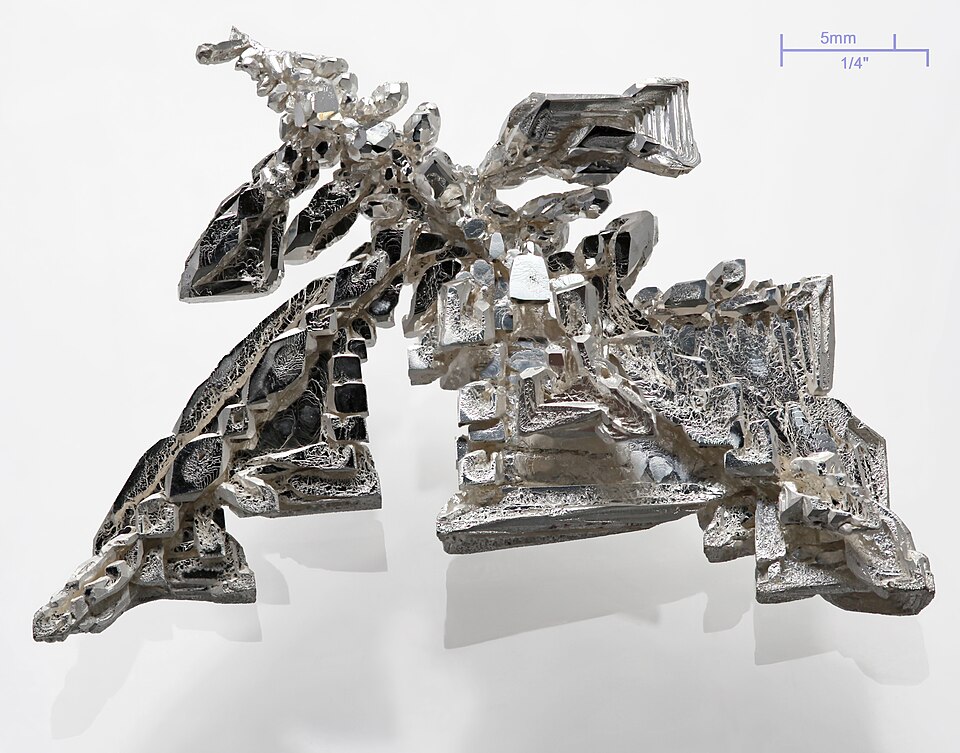
Highest electrical and thermal conductivity of any element. Ancient Greeks mined silver extensively at Laurium, near Athens.
Alchemist-hp · CC BY-SA 3.0
Iron: The New Metal
Iron appears as both a material and a metaphor for hardness or resolve. In Book 9, the heated stake used against Polyphemus is compared with a smith plunging an axe or adze into water.
The simile captures the sound and craft of quenching. Quench hardening in the modern metallurgical sense applies to carbon-containing iron or steel: rapid cooling can form hard martensite. Pure iron does not harden by the same martensitic mechanism, so the passage is consistent with quenching a carburized iron or steel edge without proving a specific alloy or microstructure.
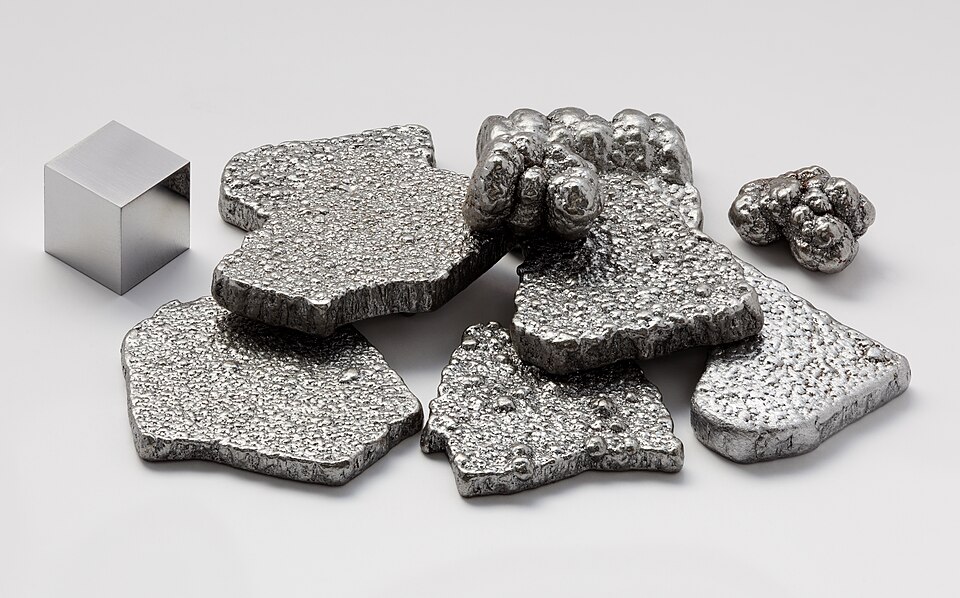
The Cyclops simile in Book 9 records the craft of quenching. Martensitic hardening requires carbon-containing iron or steel, so the passage cannot establish the exact alloy from the text alone.
Alchemist-hp · Free Art License
Lead: Weight and Simile
Lead appears in similes of heaviness and sinking and was practical for weights because of its high density and low melting point (327 °C). Lead exposure is now known to damage the nervous system. Archaeological evidence documents many ancient uses, but the population-level effects of particular pipes, glazes, and vessels depend on chemistry and exposure conditions and remain debated.
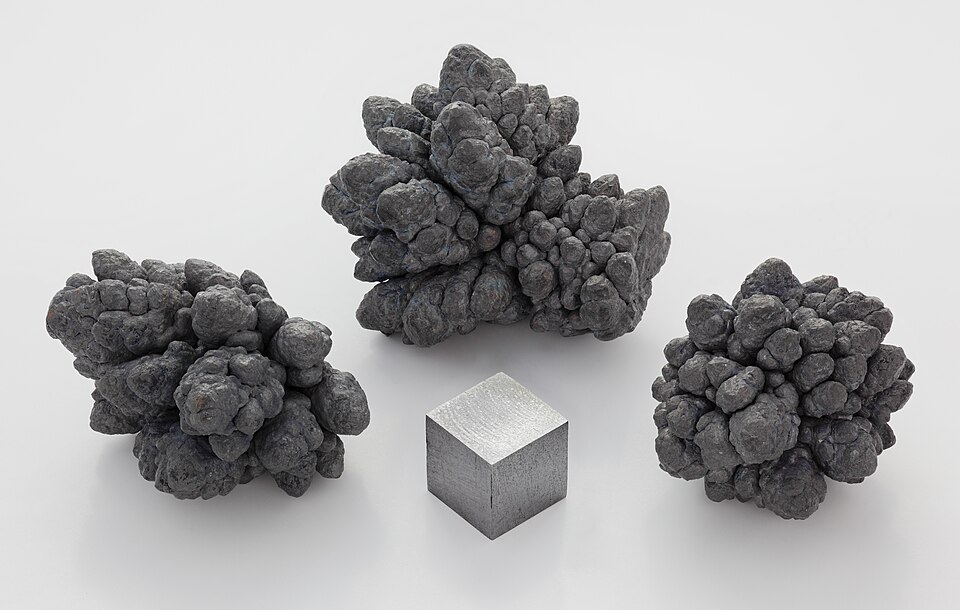
Used metaphorically for heaviness throughout Homer. Lead's low melting point (327°C) made it one of the earliest metals smelted by humans.
Alchemist-hp · Free Art License
The Chemistry Homer Didn't Know
Homer recorded observations that would take over two millennia to explain scientifically. The antimicrobial action of sulfur dioxide, the metallurgy of bronze alloys, the quench hardening of steel, and the corrosion resistance of gold, all described with poetic precision, all eventually explained by atomic theory, thermodynamics, and materials science.
These passages remind us that chemistry didn't begin in a laboratory. It began in forges, on battlefields, and in the halls of ancient kings, observed by poets long before it was understood by scientists.