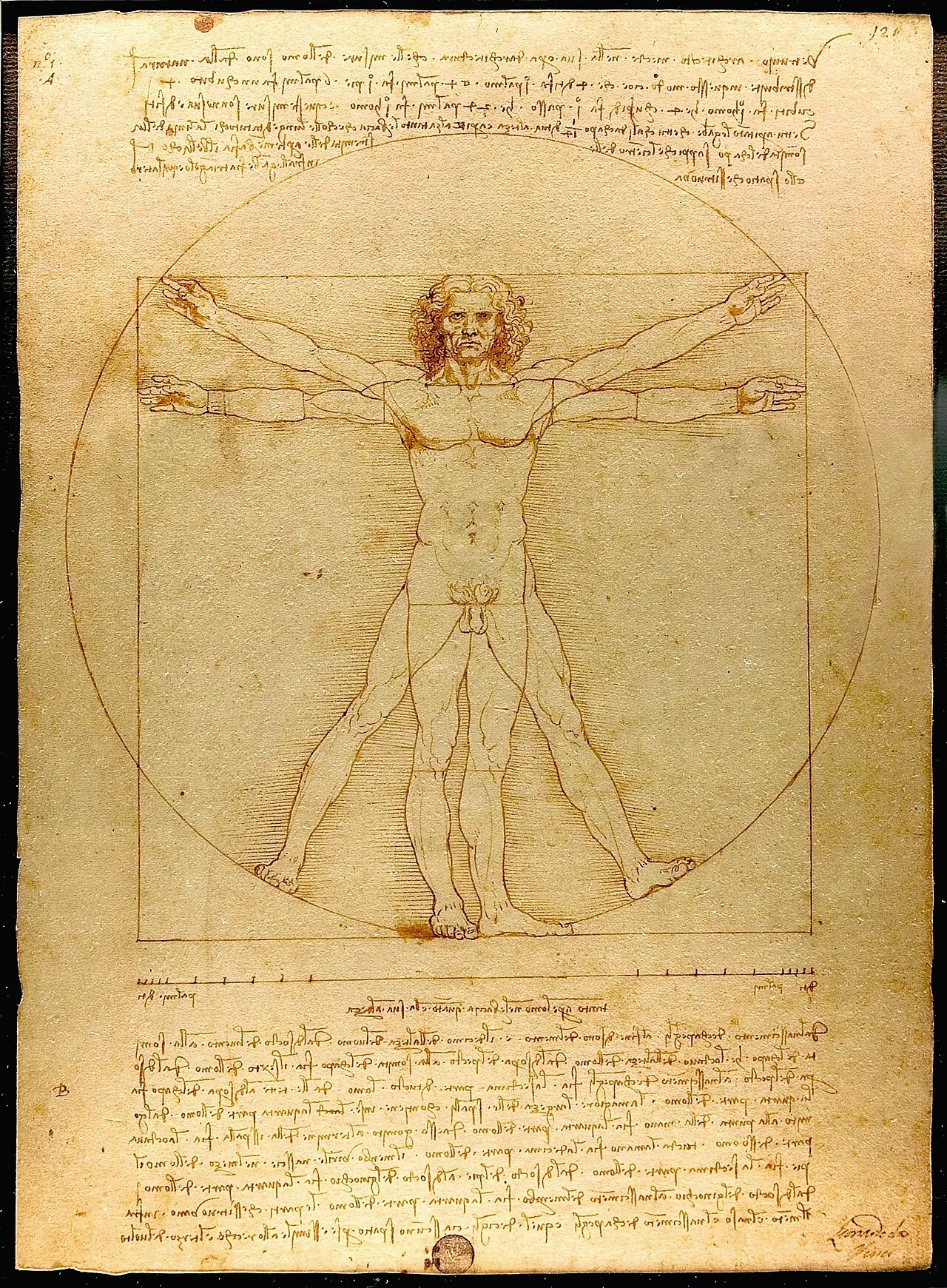
Approximately 20 elements make up the human body. Just four of them, oxygen, carbon, hydrogen, and nitrogen, account for 96% of total body mass. The remaining 4% consists of minerals and trace elements that play critical roles in everything from building bones to transporting oxygen.
The Big Four (96% of Body Mass)
These four elements form the backbone of all biological molecules, proteins, carbohydrates, lipids, and nucleic acids:
65% of body mass. Found in water (H₂O), which makes up about 60% of the body, and in virtually every biological molecule.
18.5% of body mass. The backbone of all organic molecules: proteins, DNA, carbohydrates, and lipids are all carbon-based.
9.5% of body mass. Present in water and all organic molecules. By atom count, hydrogen is the most abundant element in the body.
3.2% of body mass. Essential component of amino acids (and thus all proteins) and nucleic acids (DNA and RNA).
Major Minerals (3.9%)
These seven elements are required in relatively large amounts and serve structural and electrolyte functions:
1.5% of body mass. 99% is stored in bones and teeth as hydroxyapatite. Also critical for muscle contraction and nerve signaling.
1.0% of body mass. Found in bones, teeth, ATP (the energy currency of cells), and the phosphate backbone of DNA.
0.4% of body mass. The main intracellular cation. Essential for nerve impulse transmission and muscle contraction.
0.3% of body mass. Found in the amino acids methionine and cysteine, and in disulfide bonds that shape protein structure.
0.2% of body mass. The main extracellular cation. Regulates fluid balance and is essential for nerve signal transmission.
0.2% of body mass. The main extracellular anion. Pairs with sodium to maintain osmotic balance. Also found in stomach acid (HCl).
0.1% of body mass. Cofactor in over 300 enzymatic reactions, including ATP synthesis. Also found in bone structure.
Essential Trace Elements (<0.1%)
These elements are needed only in tiny amounts, but deficiency in any one can cause serious health problems:
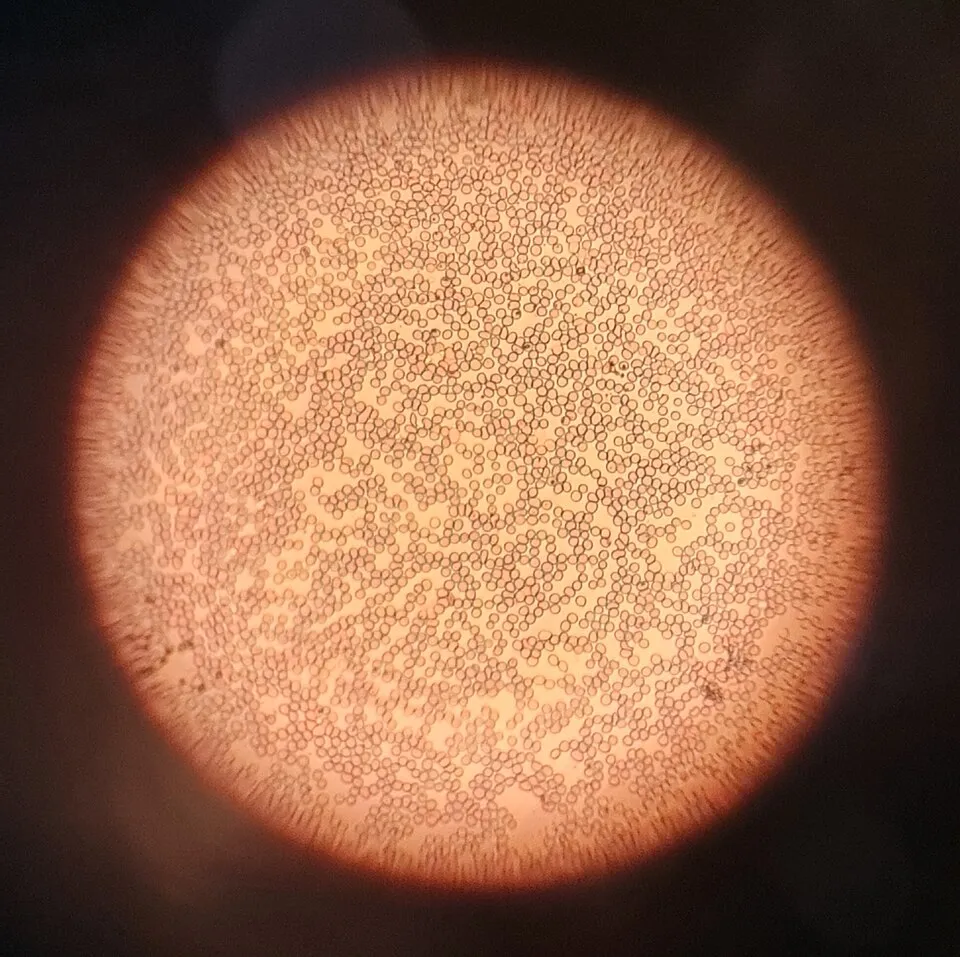
Blood oxygen transport. Iron is the central atom in hemoglobin, carrying O₂ from lungs to tissues.
Enzyme cofactor. Zinc is involved in over 300 enzymes and is critical for immune function and wound healing.
Electron transport. Copper is essential for iron metabolism, connective tissue formation, and the electron transport chain.
Thyroid hormones. Iodine is required to synthesize thyroxine (T₄) and triiodothyronine (T₃), which regulate metabolism.
Antioxidant defense. Selenium is part of glutathione peroxidase, which protects cells from oxidative damage.
Bone formation. Manganese is a cofactor for enzymes involved in bone development and carbohydrate metabolism.
Enzyme function. Molybdenum is a cofactor for enzymes like xanthine oxidase and sulfite oxidase.
Vitamin B₁₂. Cobalt is the central atom in cobalamin (vitamin B₁₂), essential for red blood cell formation and neurological function.
Insulin signaling. Chromium enhances the action of insulin and is involved in carbohydrate, fat, and protein metabolism.
Teeth and bones. Fluorine (as fluoride) strengthens tooth enamel by forming fluorapatite, which resists acid erosion.